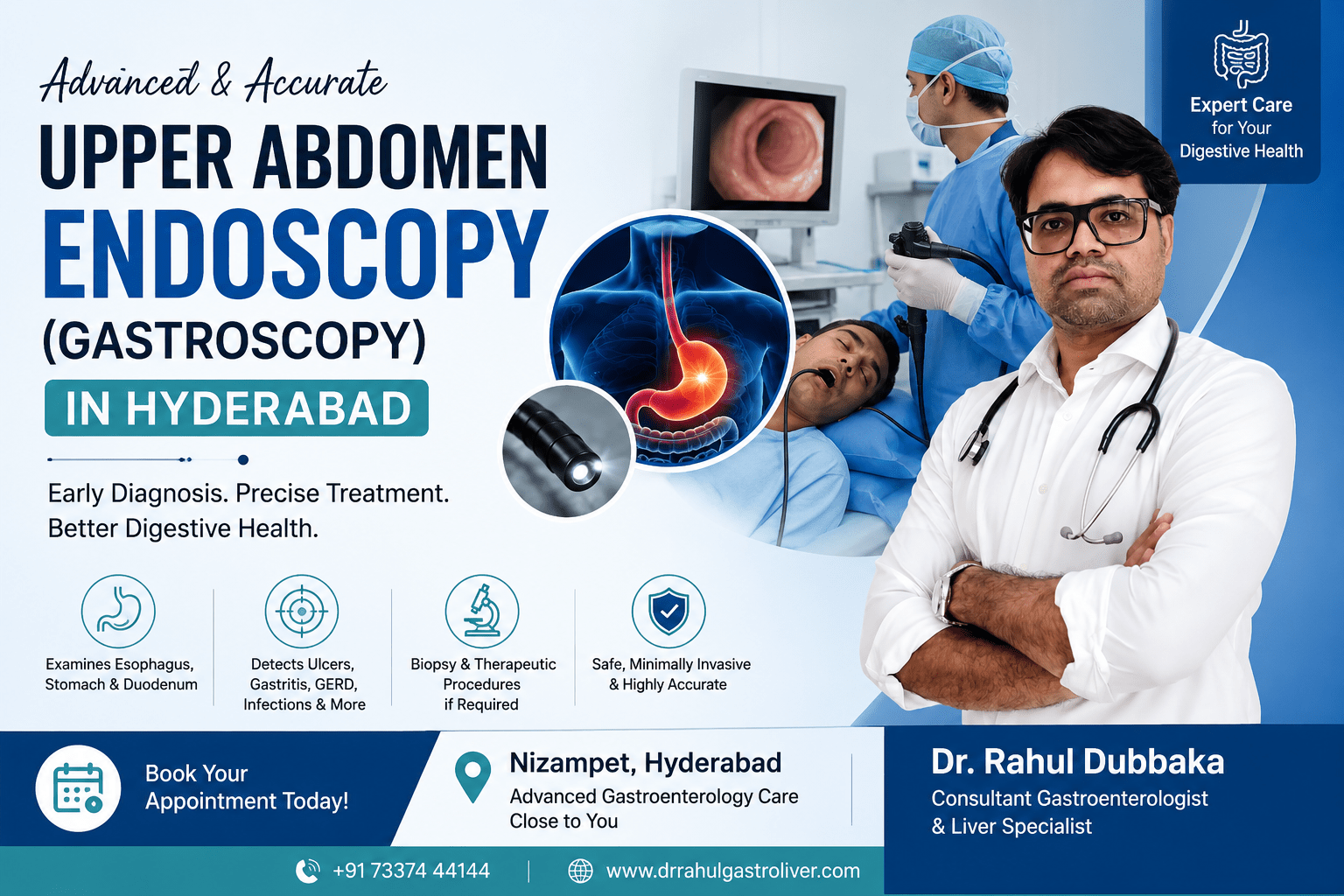
Upper Abdomen Endoscopy (Gastroscopy) in Hyderabad – Expert Care by Dr. Rahul Dubbaka
Dr. Rahul Dubbaka is an experienced Gastroenterologist and Liver Specialist providing comprehensive digestive care in Hyderabad. Patients trust him for:
Dr. Rahul Dubbaka is an experienced Gastroenterologist and Liver Specialist providing comprehensive digestive care in Hyderabad. Patients trust him for:
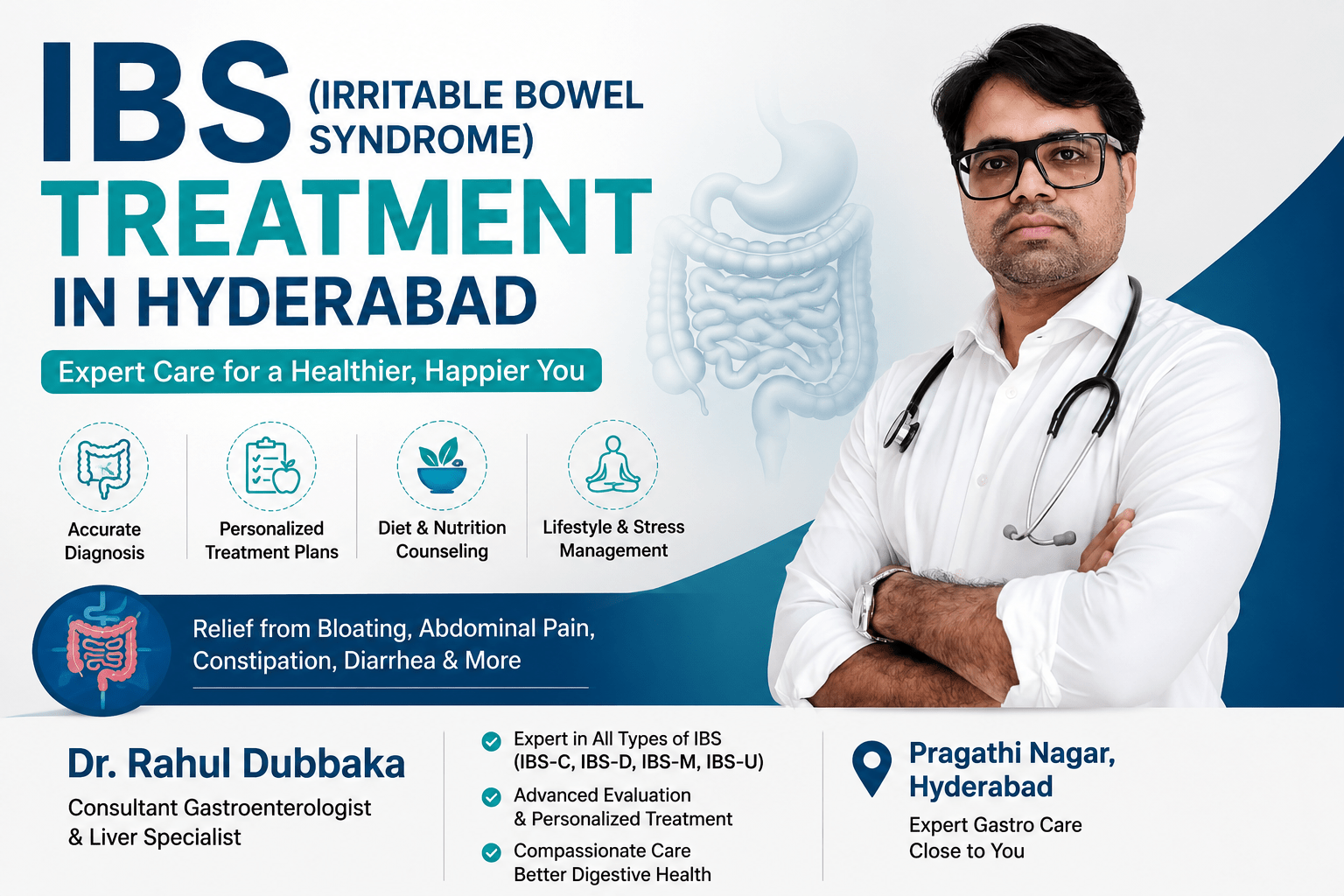
Dr. Rahul Dubbaka providing expert IBS treatment in Pragathi Nagar, Hyderabad for digestive health.
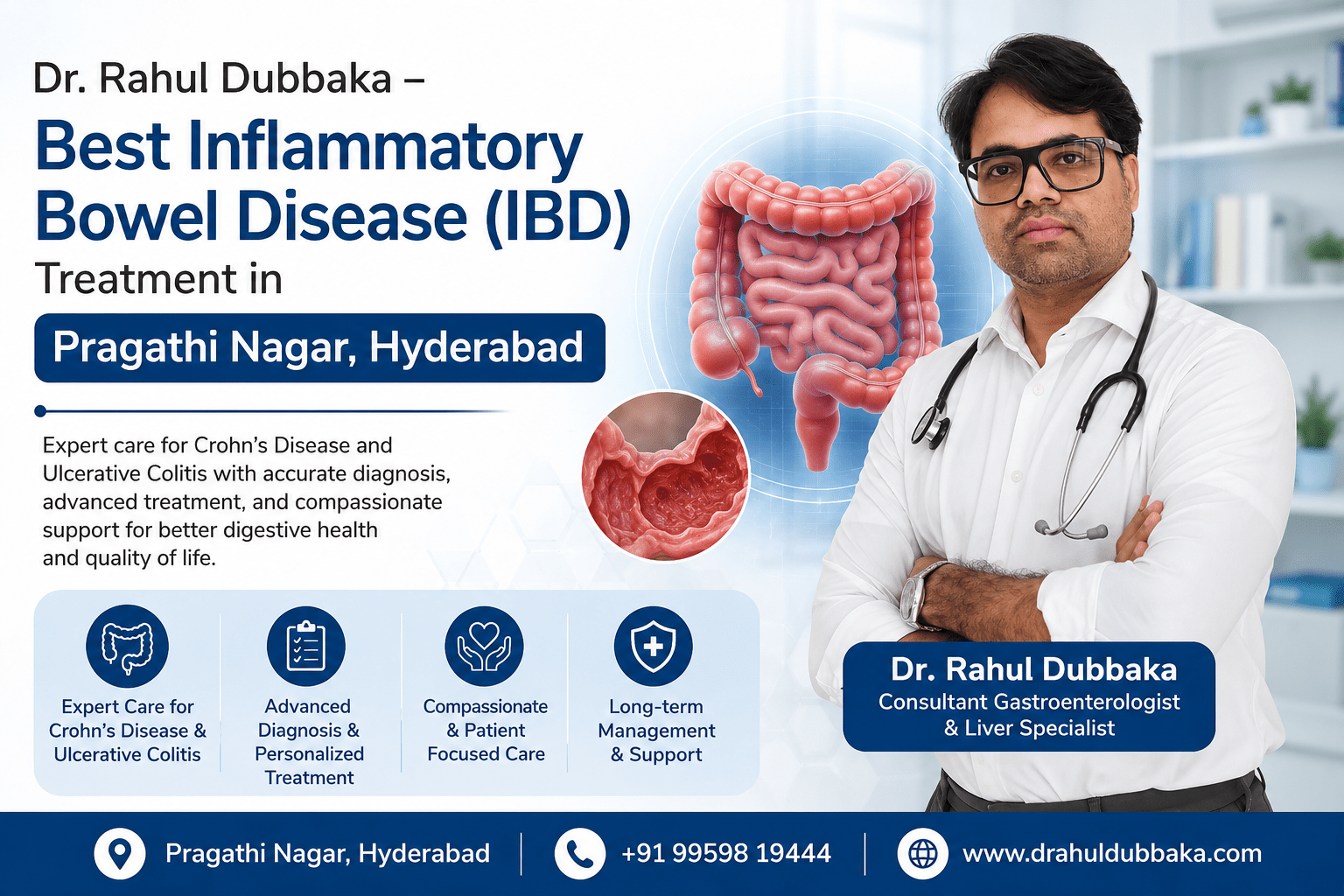
Inflammatory Bowel Disease (IBD) is a chronic condition that causes ongoing inflammation of the digestive tract. The two main forms of IBD are Crohn’s disease and Ulcerative Colitis, both of which can significantly affect a person’s daily life if left untreated.
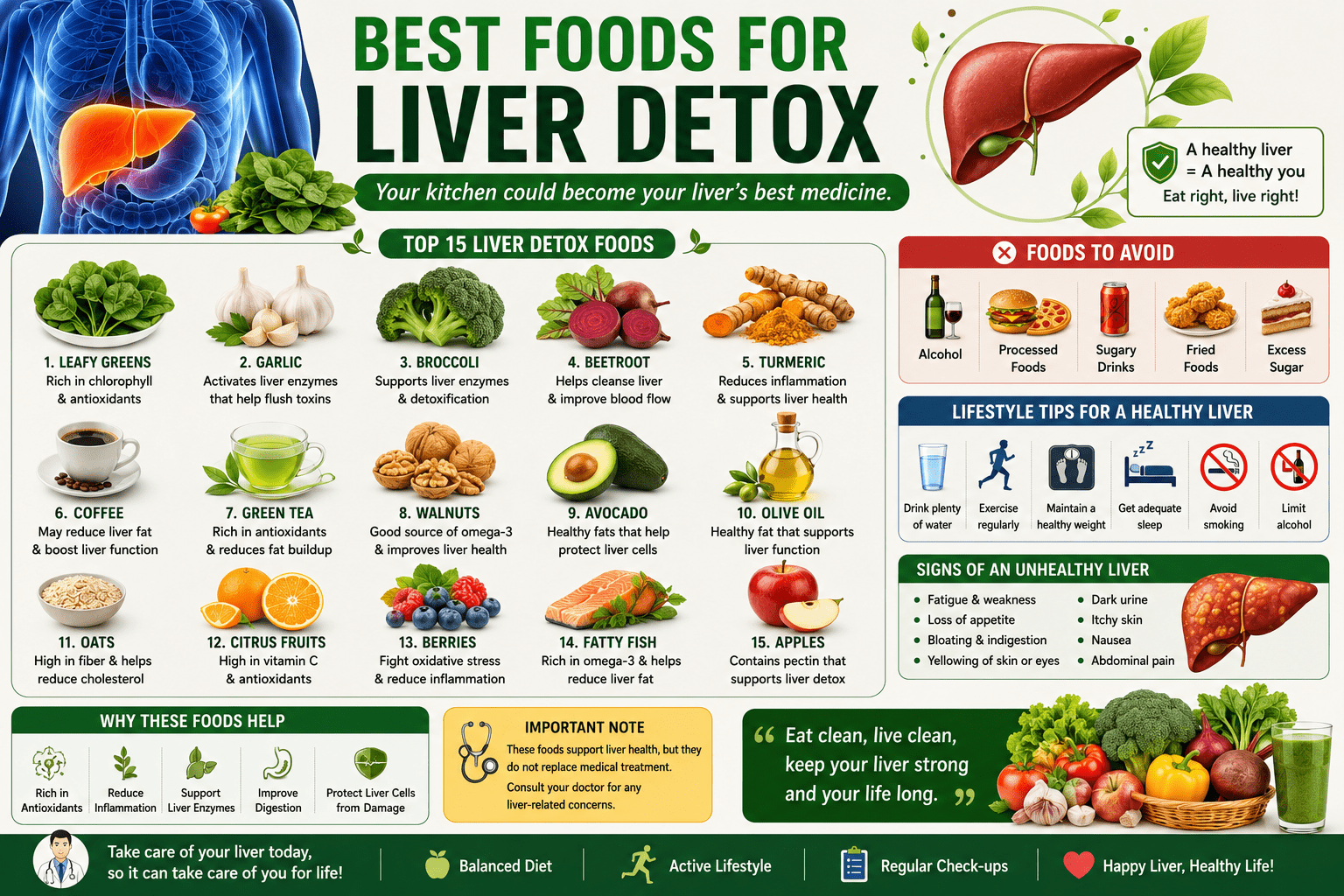
Your liver is your body’s natural detox powerhouse, and the right foods can help it function more efficiently. Learn about the best liver-friendly foods, healthy lifestyle habits, foods to avoid, and practical tips to protect your liver and improve your overall health naturally.
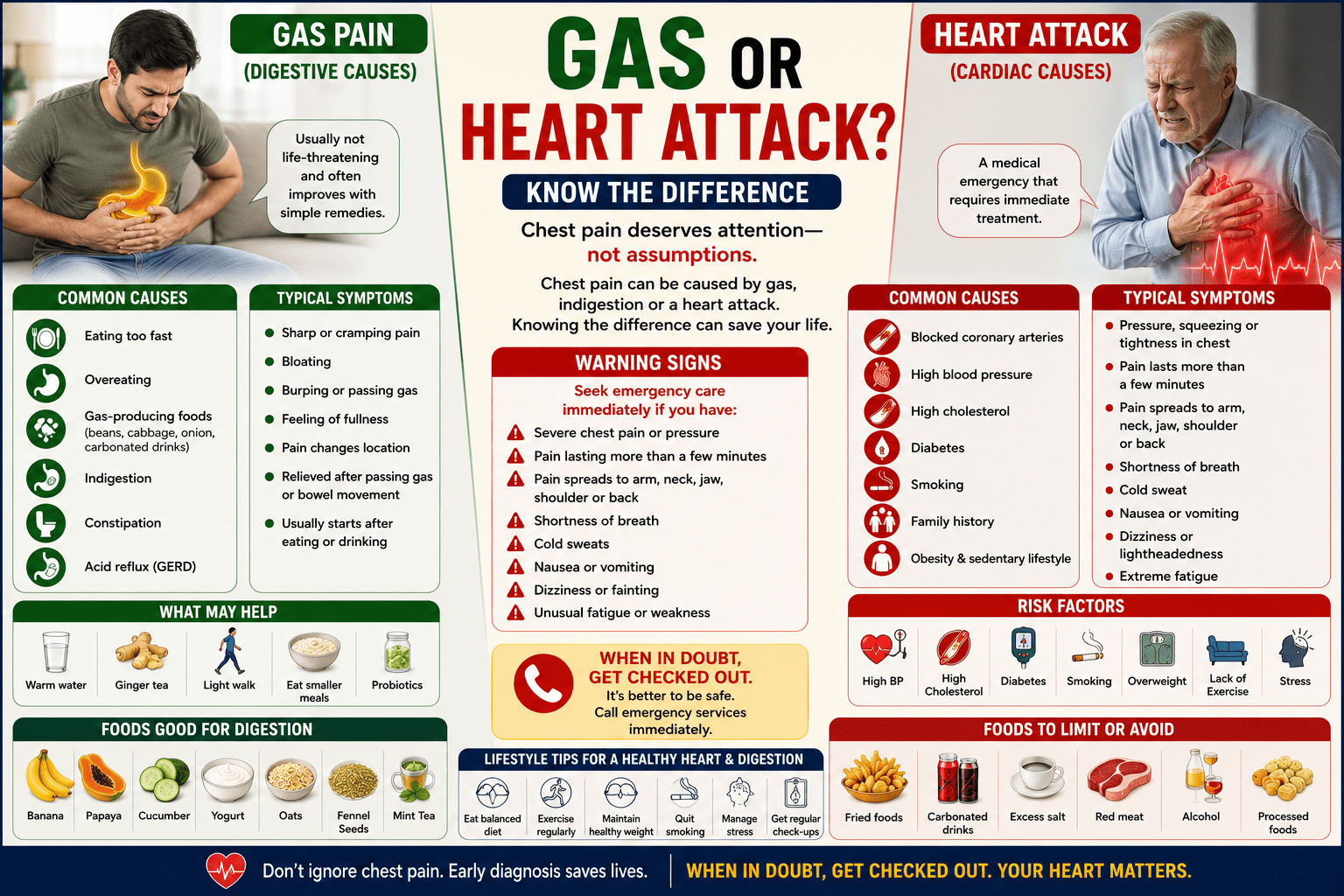
Chest pain can be caused by trapped gas, acid reflux, or a life-threatening heart attack. Learn how to recognize the key differences, understand warning signs, and know when immediate medical attention is essential. Protect your heart and digestive health with the right information.
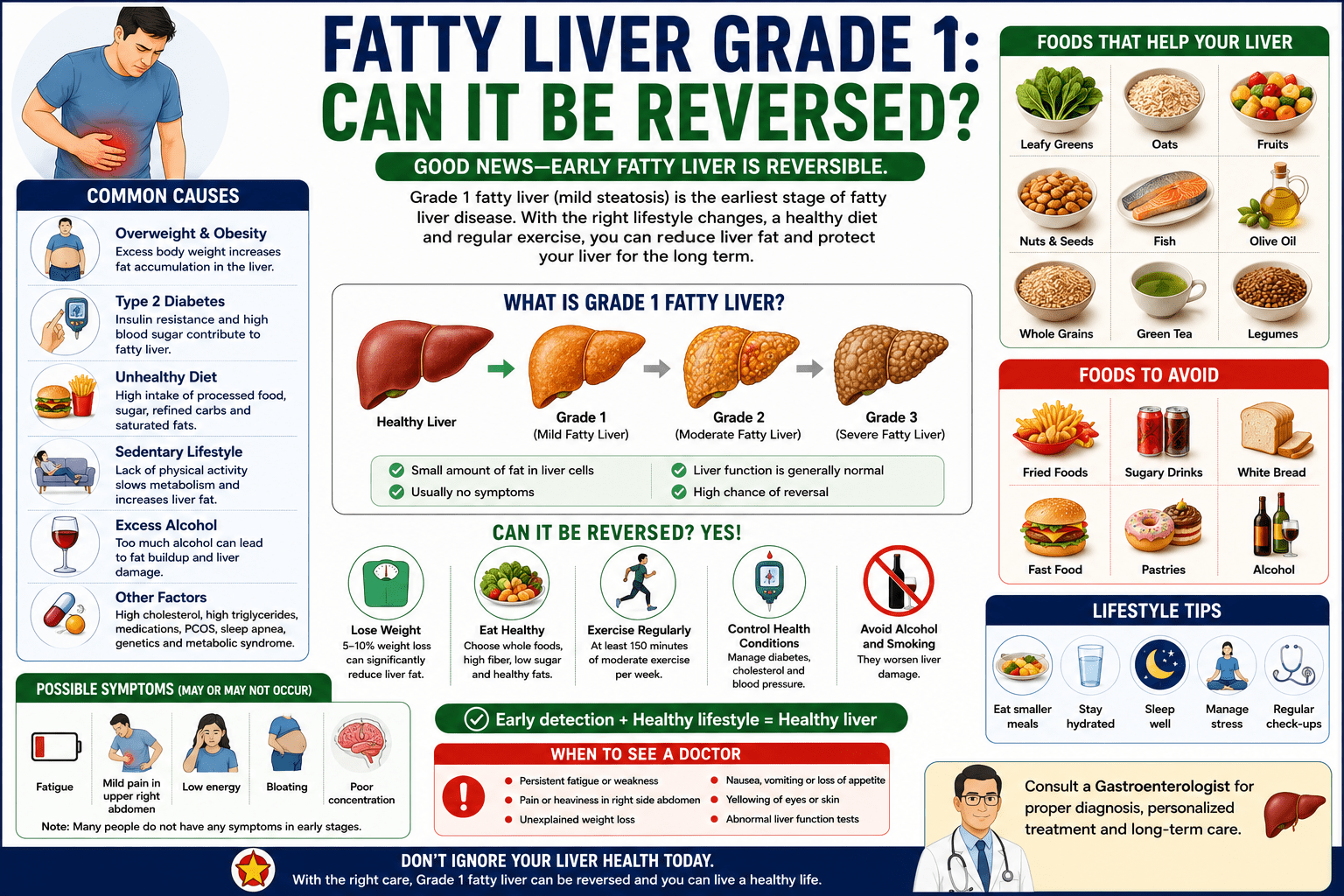
Grade 1 Fatty Liver is the earliest and most treatable stage of fatty liver disease. Discover its causes, symptoms, diagnosis, diet recommendations, treatment options, and practical lifestyle changes that can help reverse liver fat naturally and protect your long-term liver health.
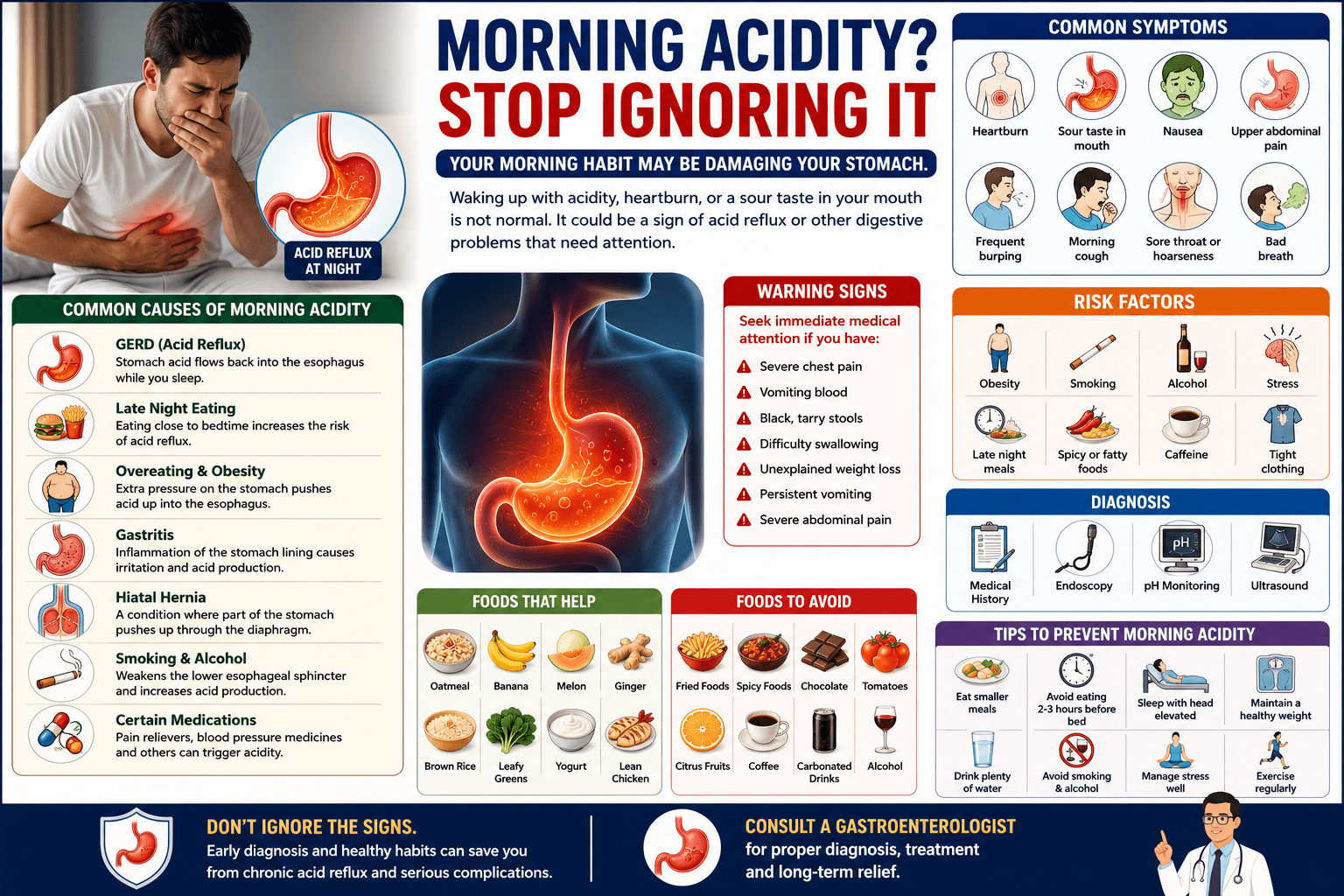
Morning acidity is more than just an uncomfortable start to the day. Learn the common causes of acid reflux, GERD, and gastritis, along with effective treatment options, diet tips, lifestyle changes, and warning signs that should never be ignored to protect your digestive health.
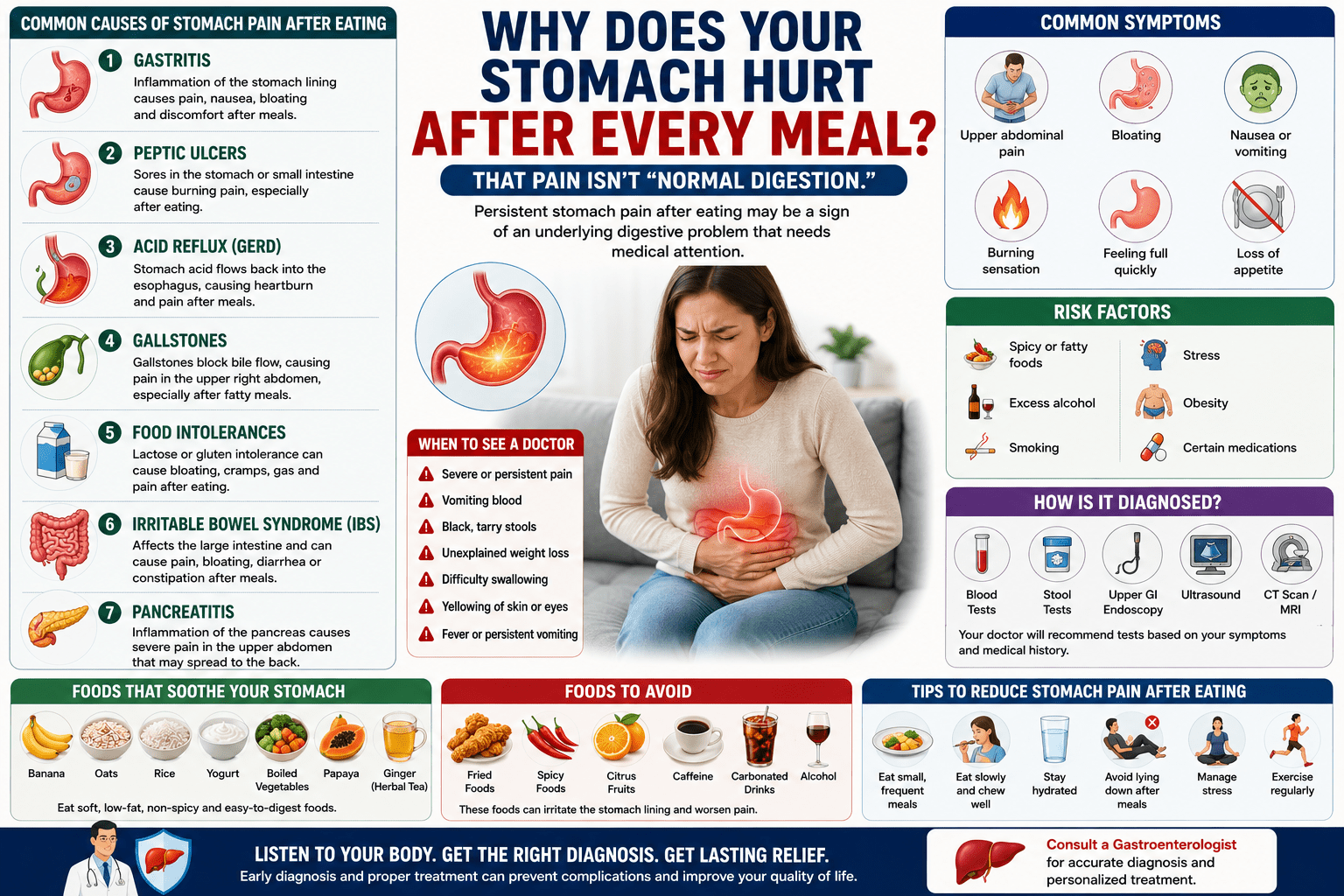
Stomach pain after every meal is not a normal part of digestion. Discover the common causes, including gastritis, acid reflux, ulcers, gallstones, IBS, and food intolerances. Learn about warning signs, diagnosis, treatment options, and practical lifestyle changes to relieve symptoms and protect your digestive health.
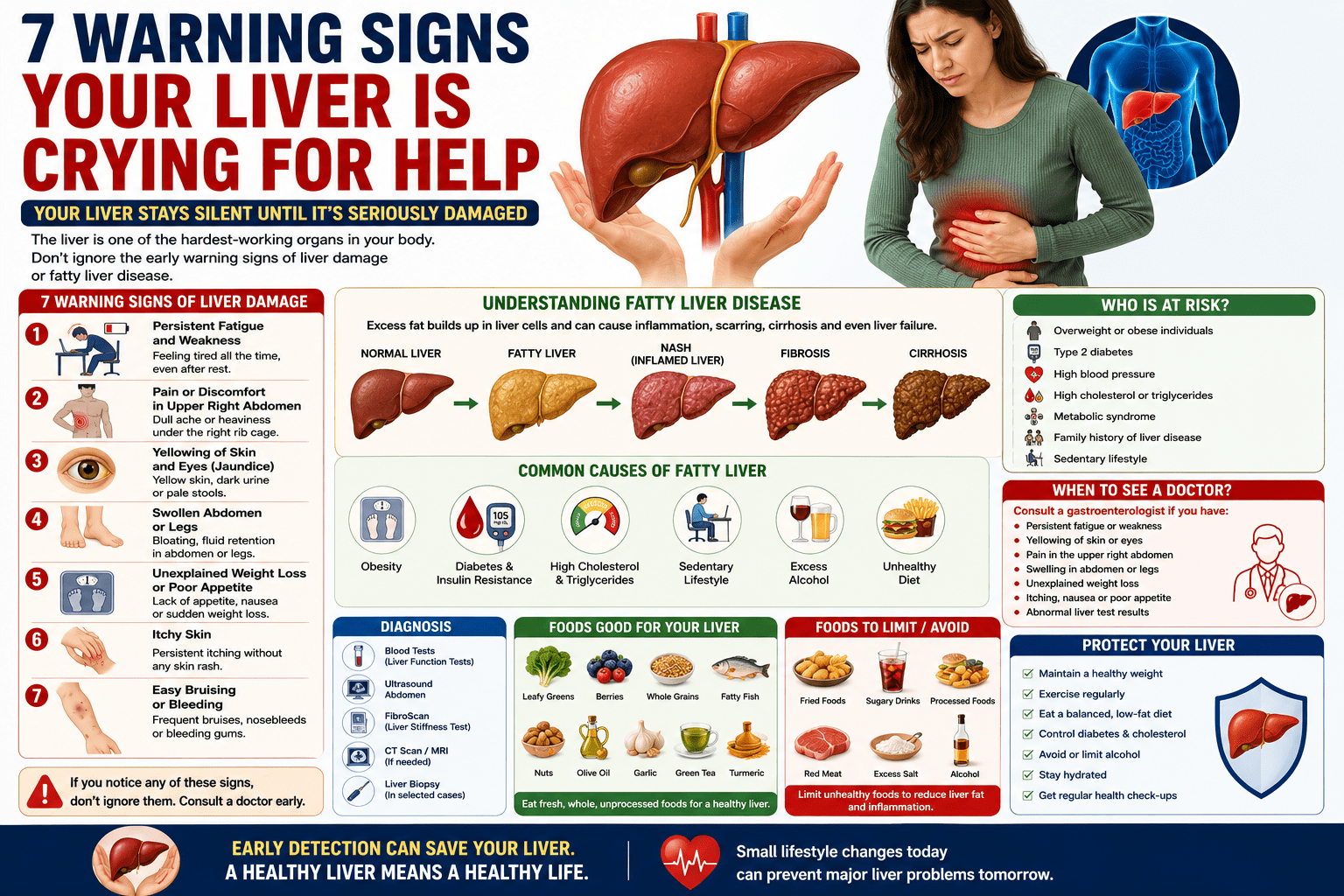
Fatty liver disease often develops without noticeable symptoms until significant damage has occurred. Discover the seven warning signs your liver may be in trouble, understand the common causes and risk factors, explore diagnostic tests, and learn practical lifestyle changes to protect your liver and prevent long-term complications.
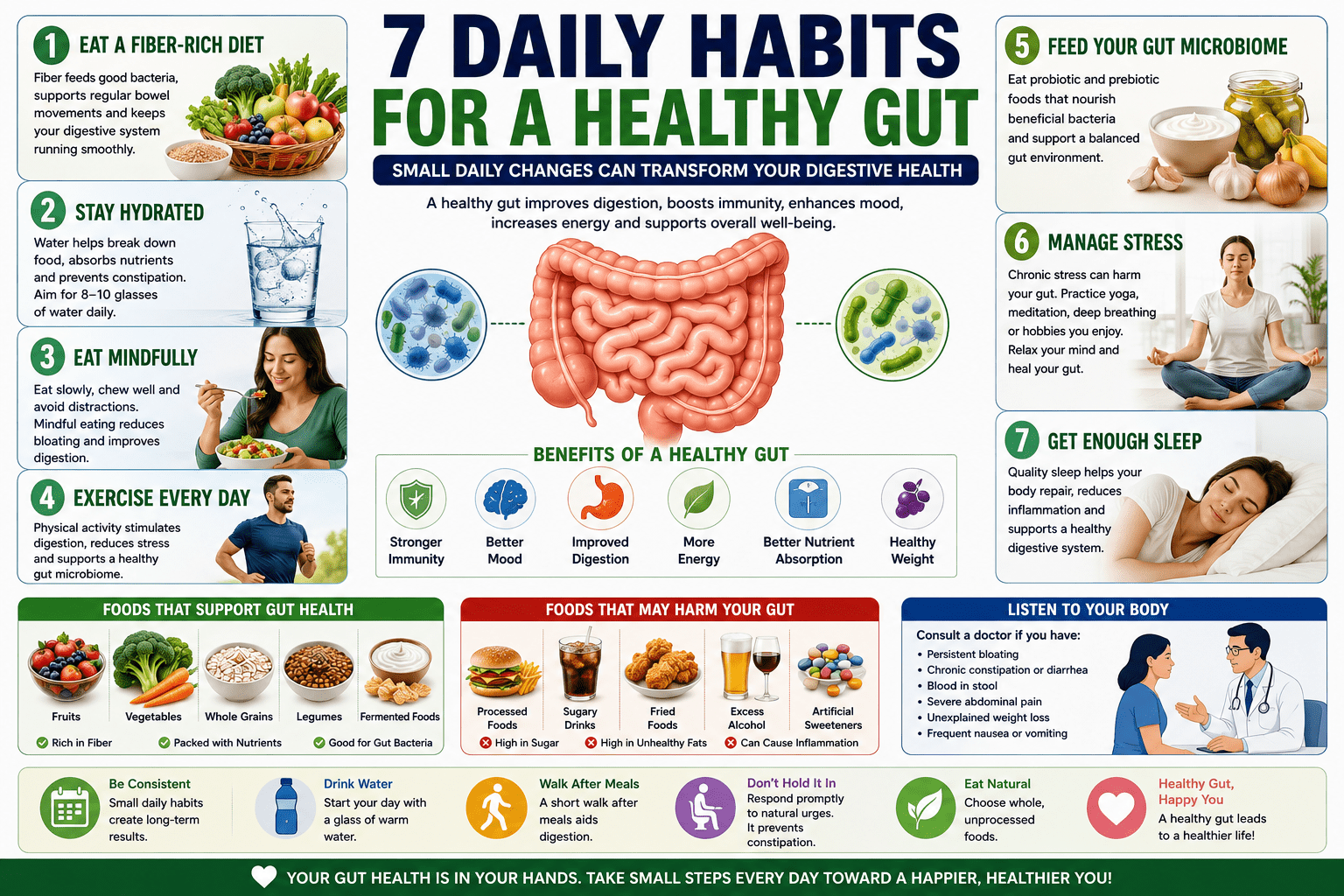
Good digestive health begins with everyday habits. Discover seven simple lifestyle changes—from eating more fiber and staying hydrated to exercising regularly and getting quality sleep—that can improve digestion, support a healthy gut microbiome, reduce bloating, and enhance your overall health.
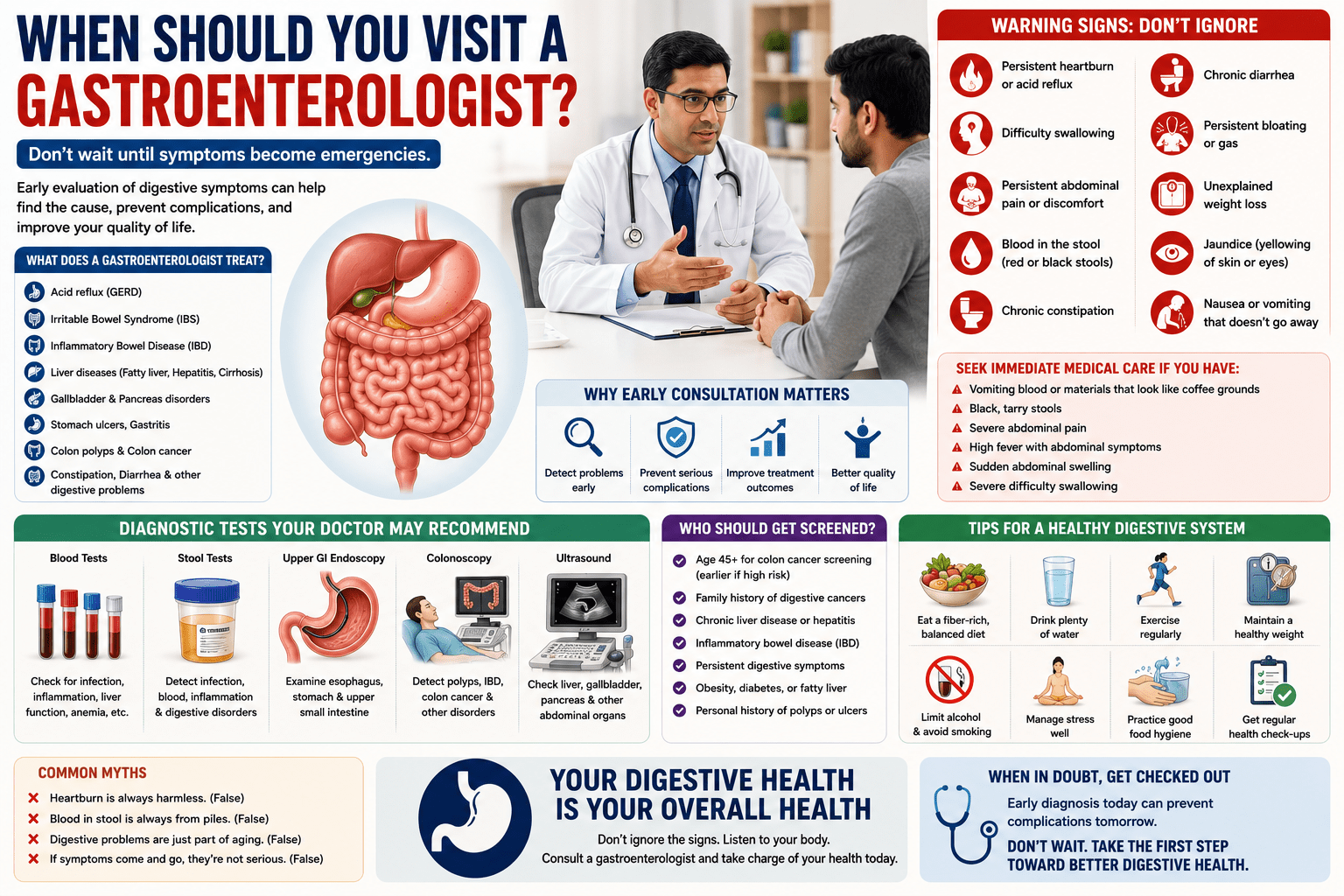
Persistent digestive symptoms should never be ignored. Learn when it’s time to visit a gastroenterologist, the warning signs of digestive diseases, common conditions treated, diagnostic tests, and why early diagnosis can prevent serious complications and improve your long-term digestive health.
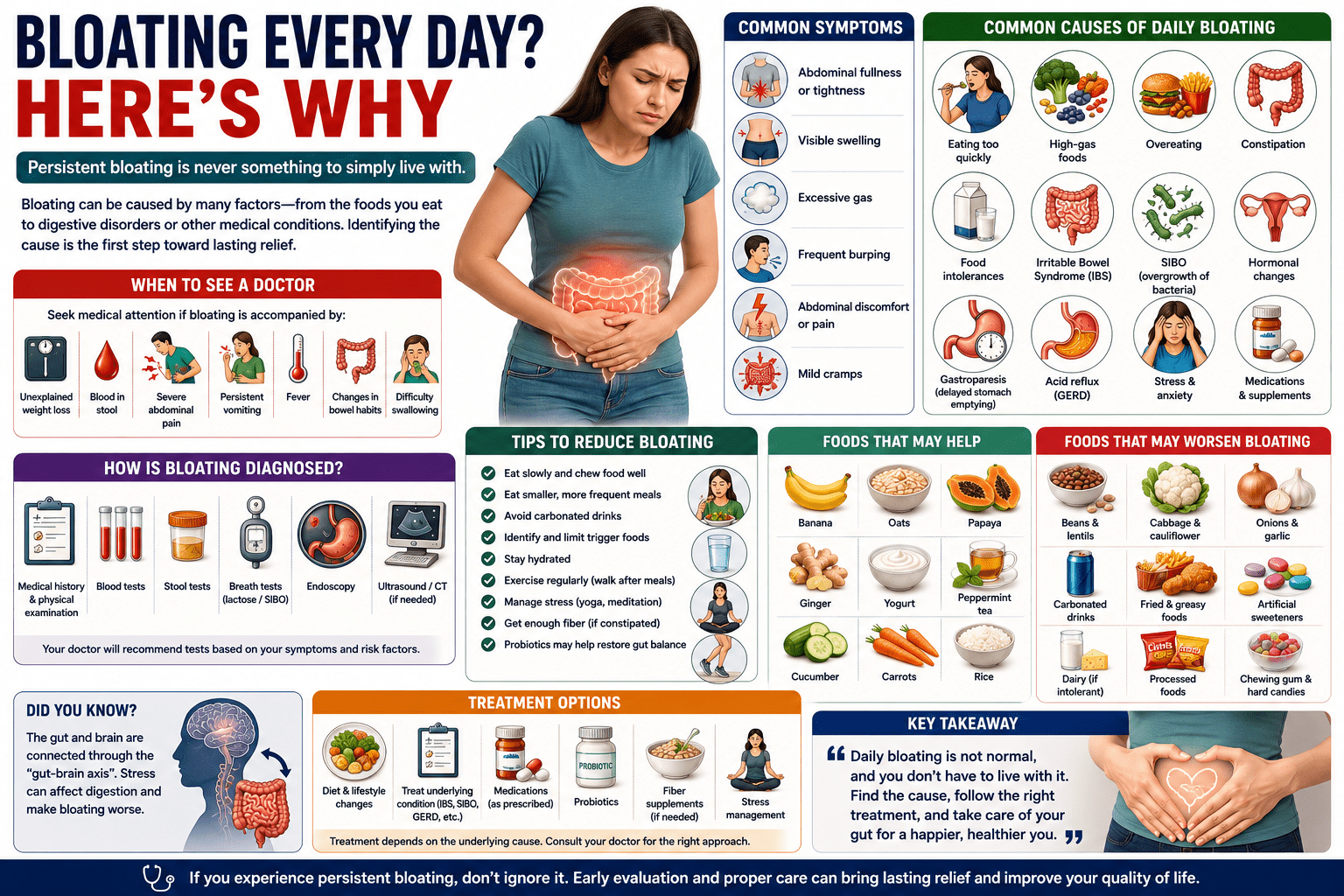
Daily bloating isn’t something you should simply live with. Discover the common causes of persistent bloating, including IBS, constipation, food intolerances, and acid reflux. Learn about symptoms, diagnosis, treatment options, and practical lifestyle changes to reduce bloating and support long-term digestive health.
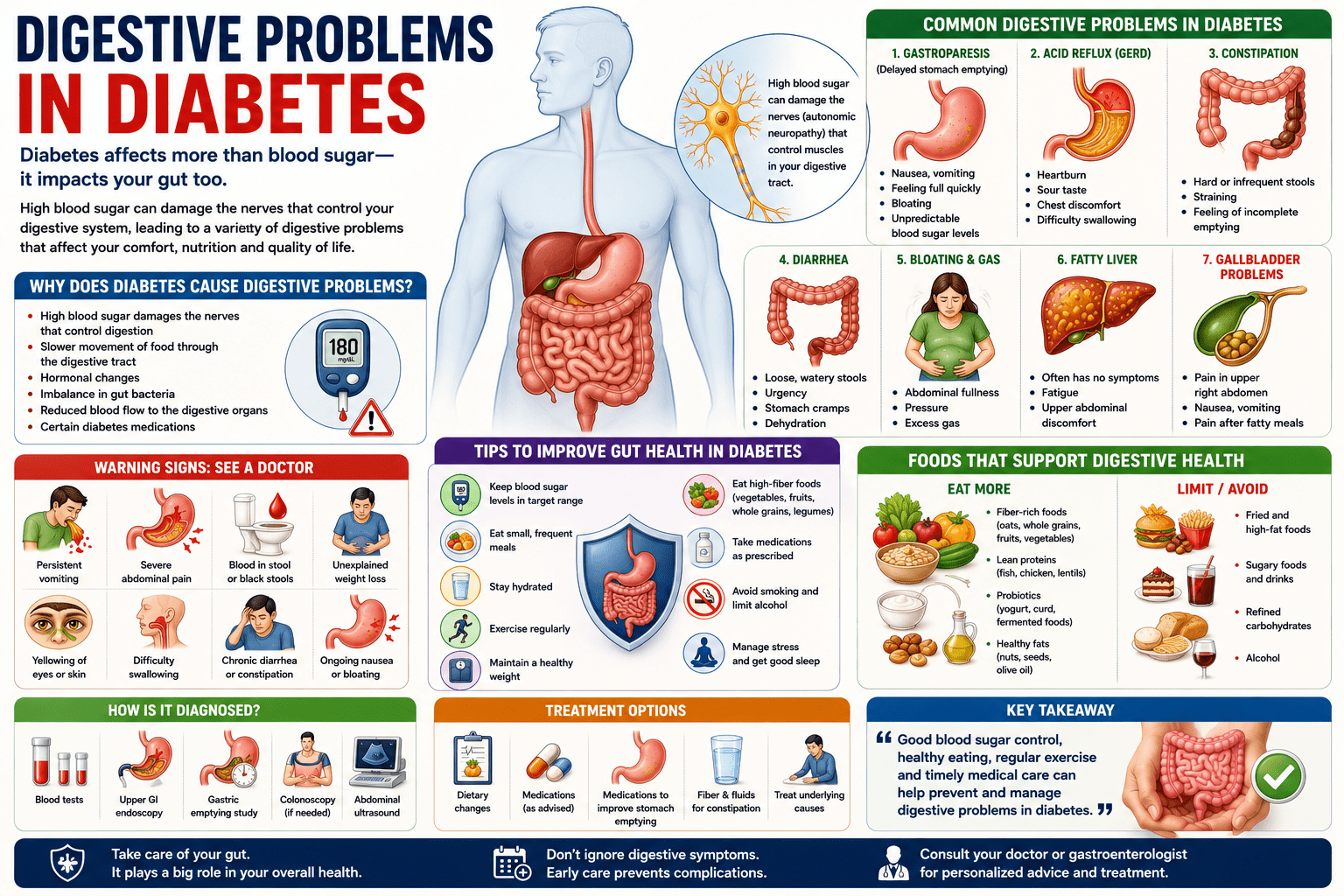
Diabetes can affect much more than blood sugar—it also impacts your digestive system. Learn how high blood sugar contributes to digestive problems such as gastroparesis, acid reflux, constipation, diarrhea, and fatty liver disease, along with expert tips to protect your gut health and improve your quality of life.
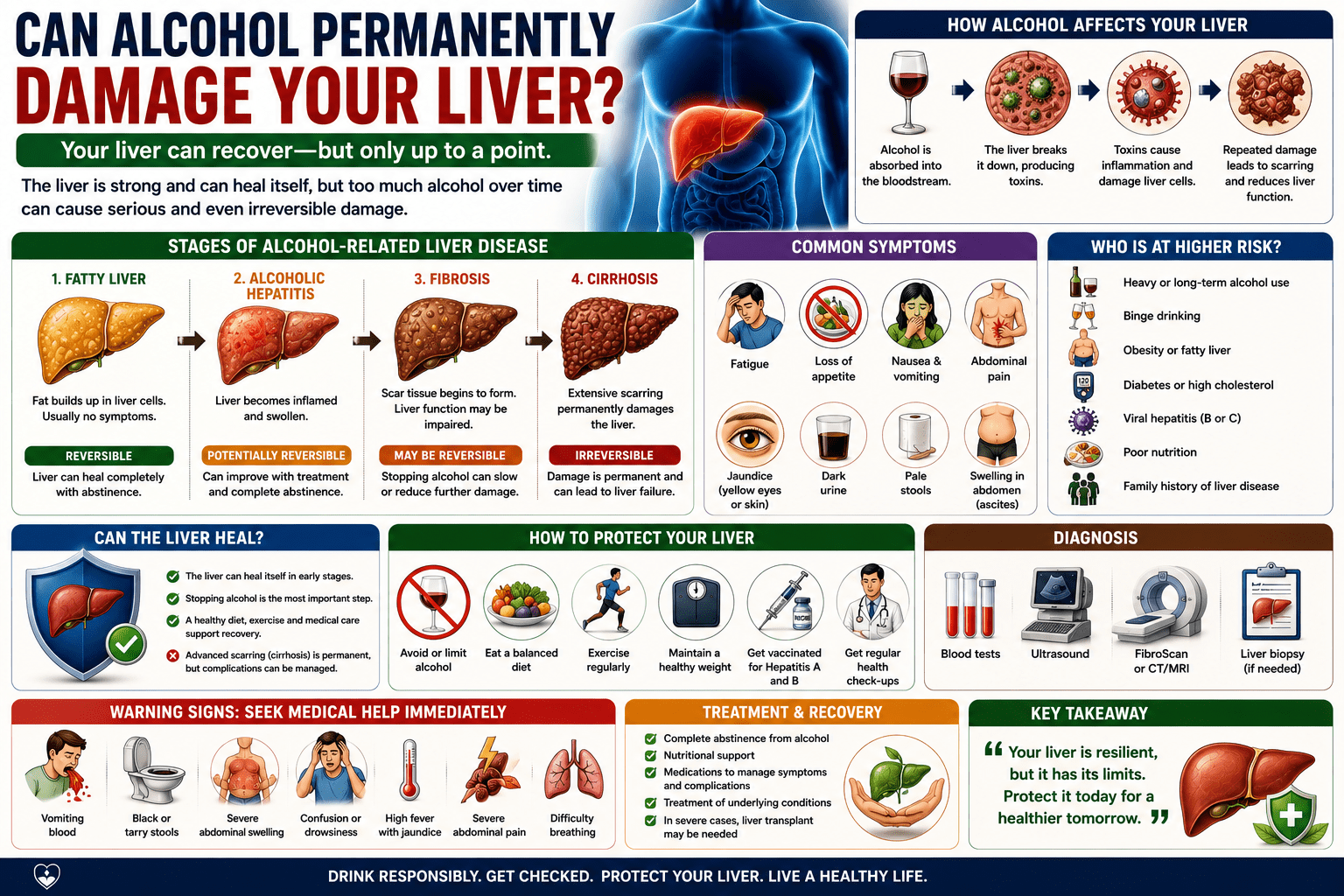
Alcohol-related liver disease develops gradually, starting with fatty liver and potentially progressing to cirrhosis if left untreated. Discover how alcohol affects your liver, which stages are reversible, warning signs to watch for, and practical lifestyle changes that can help protect one of your body’s most important organs.
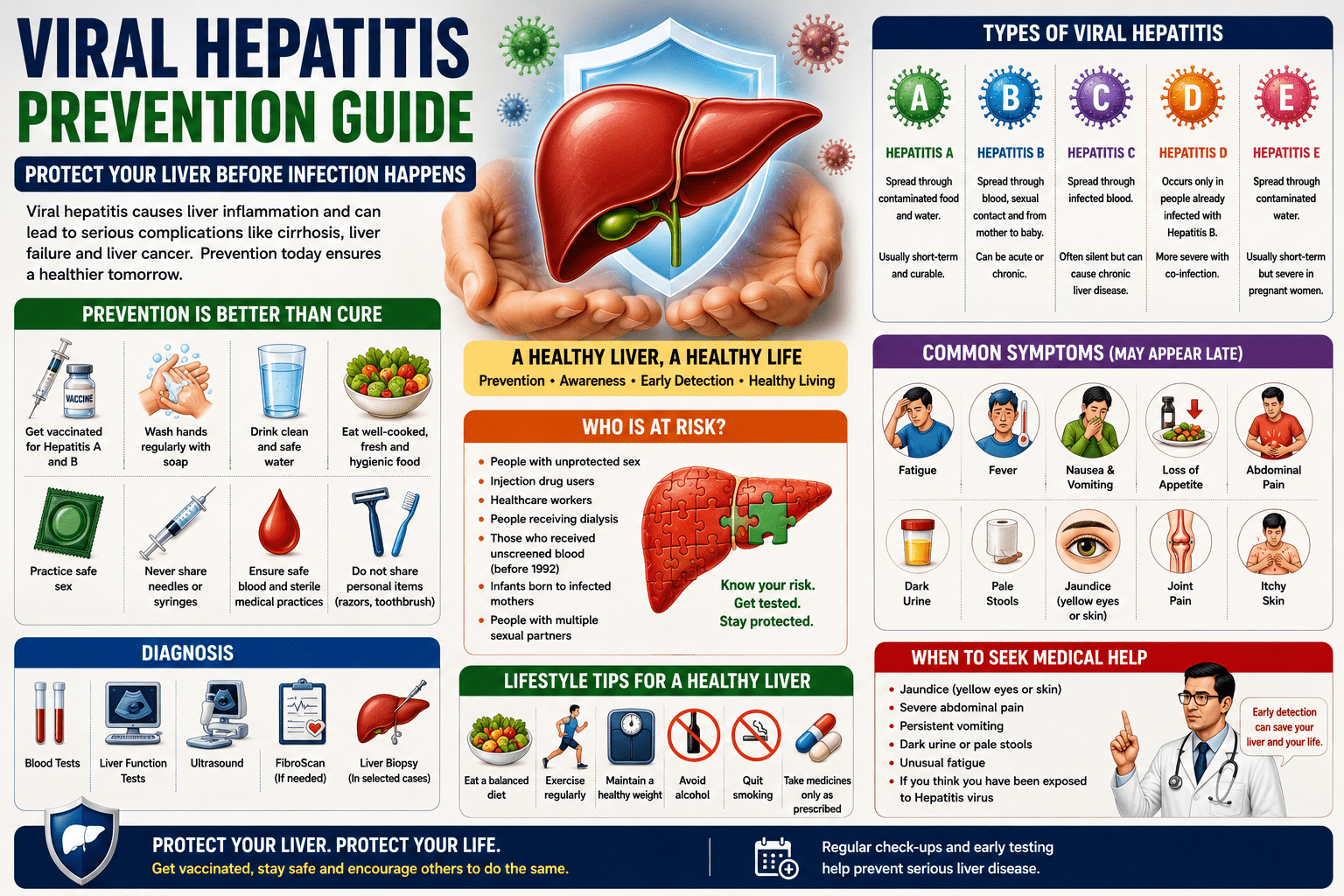
Viral hepatitis is a preventable liver infection that can lead to serious complications if left untreated. Learn about the different types of hepatitis, how they spread, common symptoms, vaccination, prevention strategies, and practical lifestyle tips to keep your liver healthy and protected.
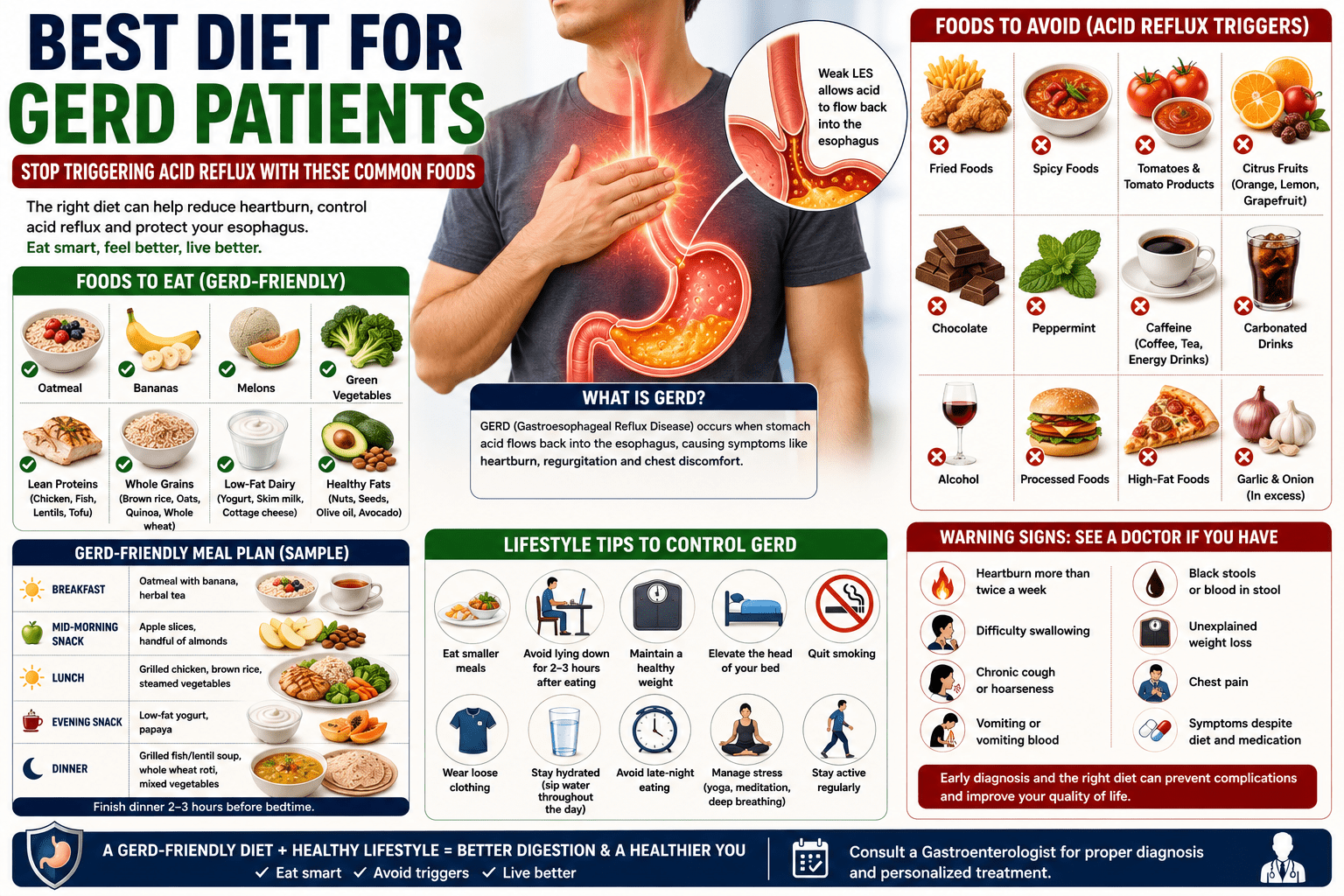
Managing GERD starts with the right diet. Learn which foods can help reduce acid reflux, common triggers to avoid, practical meal planning tips, and healthy lifestyle habits that support better digestion and long-term relief from heartburn.
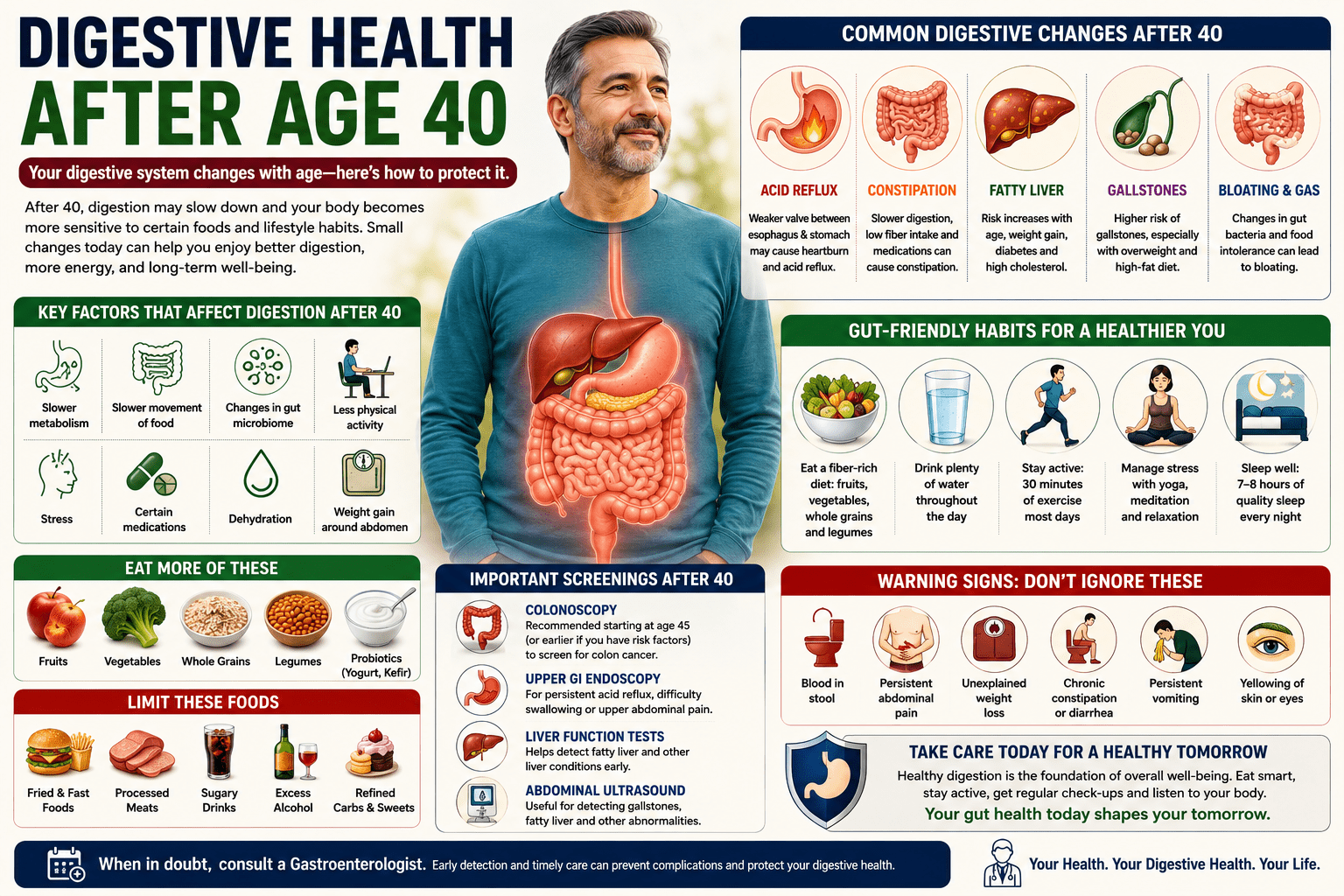
Digestive health becomes increasingly important after age 40. Natural changes in the digestive system can increase the risk of acid reflux, constipation, fatty liver disease, gallstones, and other gastrointestinal conditions. Learn how a healthy diet, regular exercise, hydration, and preventive screenings can help keep your digestive system functioning at its best.
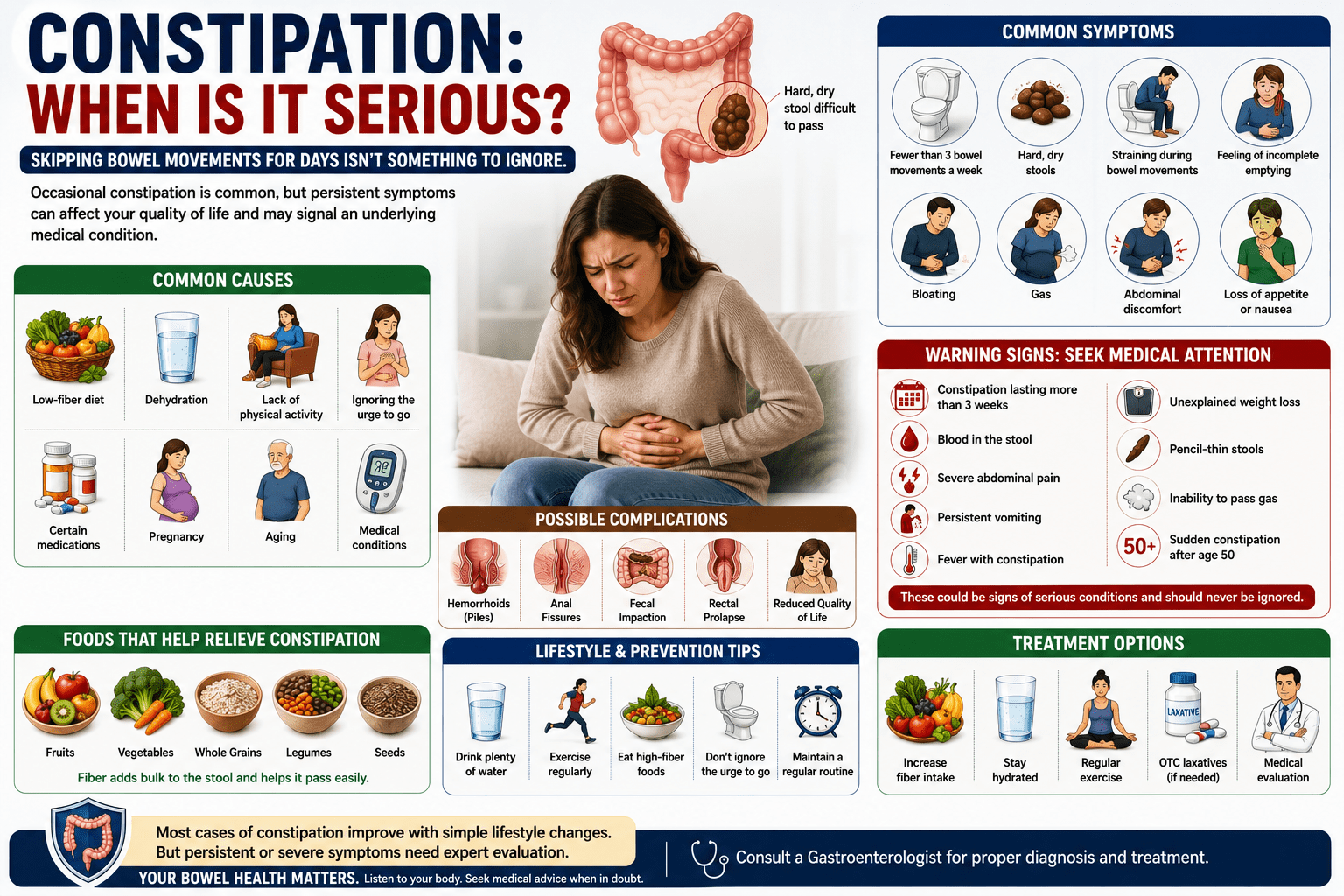
Constipation is more than just infrequent bowel movements—it can sometimes signal an underlying digestive disorder. Learn about the common causes of constipation, warning signs that require medical attention, effective treatment options, and simple lifestyle changes to keep your digestive system healthy.
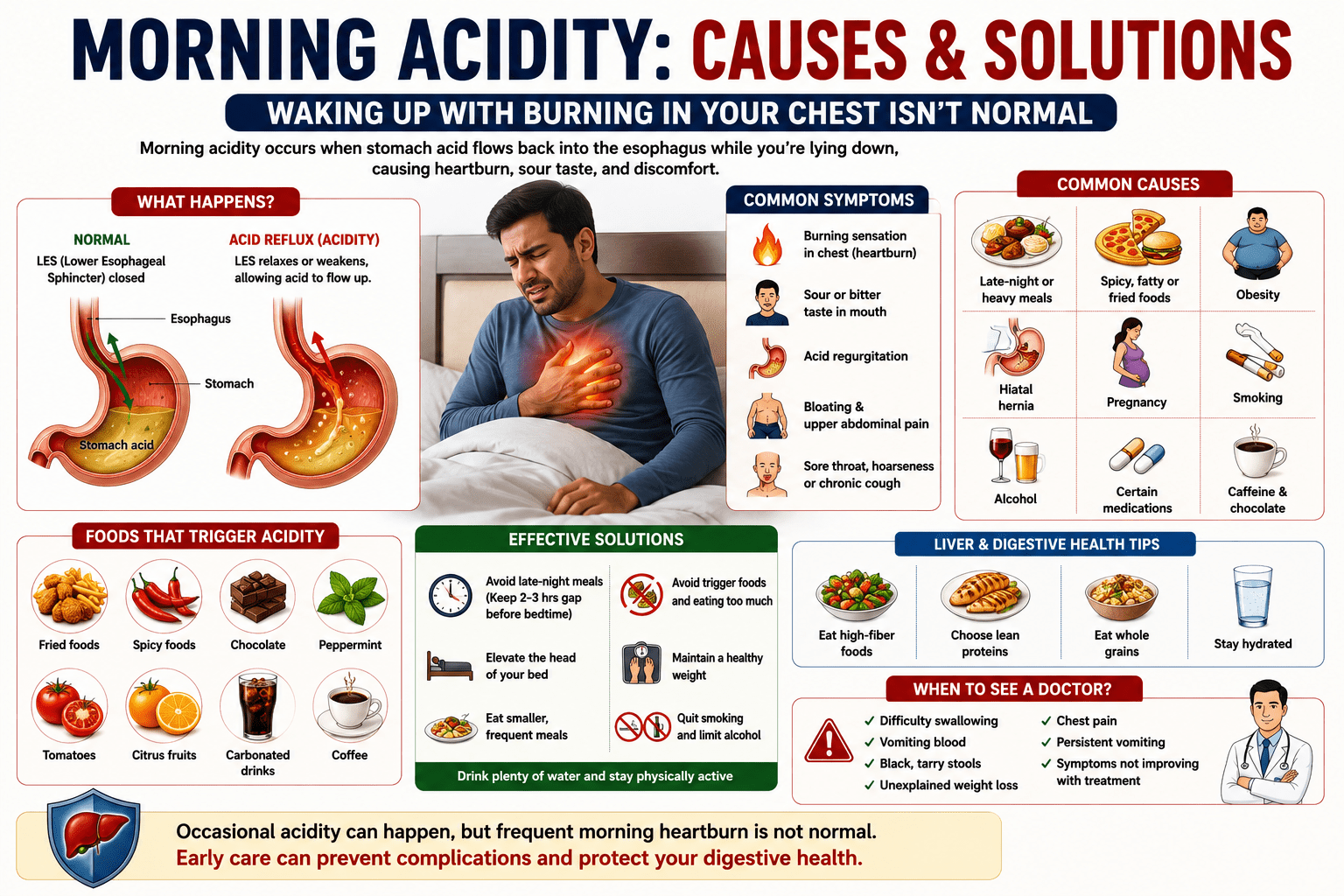
Morning acidity is more than just an uncomfortable start to your day—it may be a sign of acid reflux or GERD. Learn why heartburn occurs after waking up, the foods and habits that trigger it, effective treatment options, and practical lifestyle changes to prevent recurring acidity and protect your digestive health.
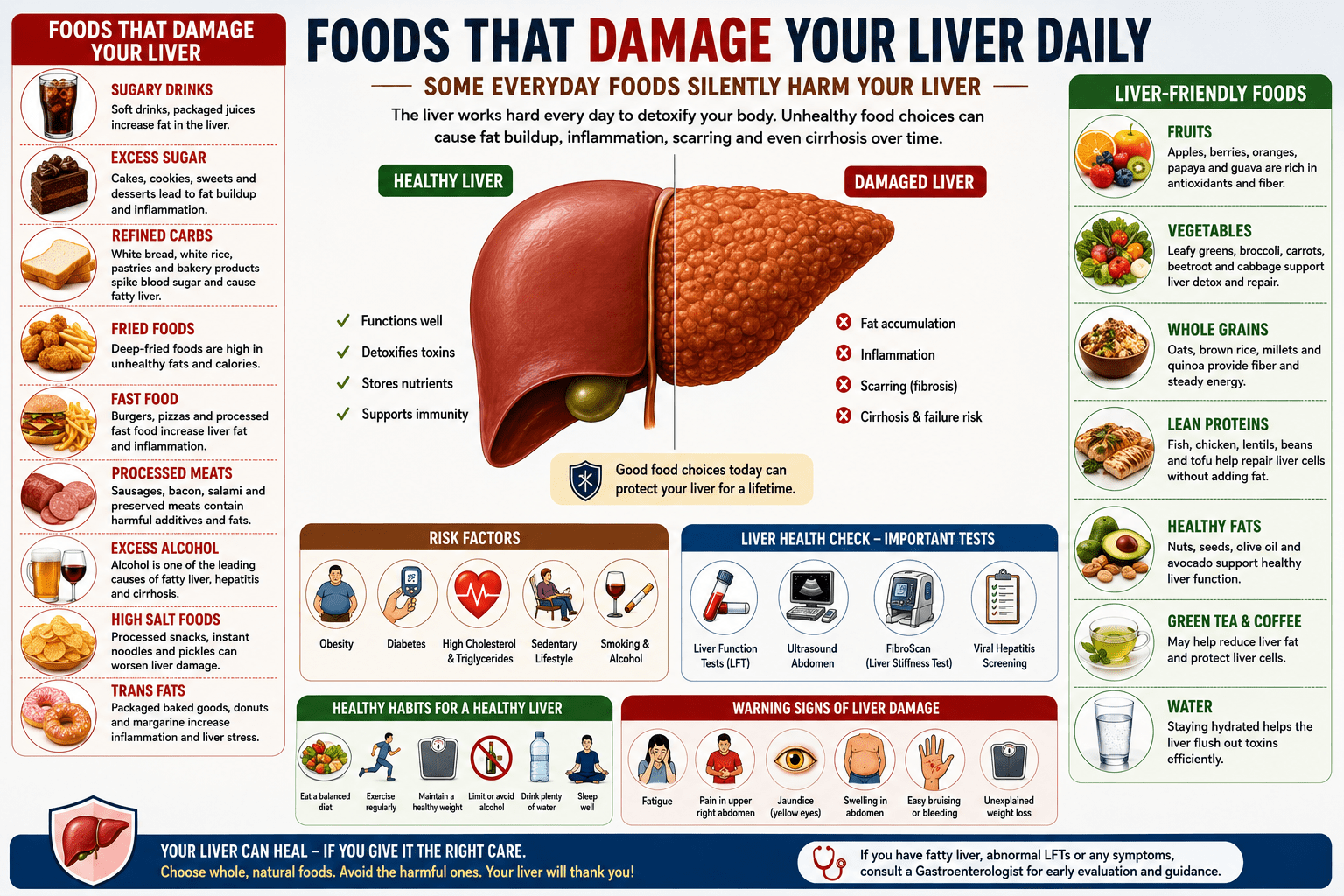
Your daily diet plays a major role in your liver health. Sugary drinks, fried foods, processed meats, refined carbohydrates, alcohol, and other highly processed foods can gradually damage the liver and increase the risk of fatty liver disease. Learn which foods to avoid, what to eat instead, and how simple dietary changes can help keep your liver healthy for years to come.
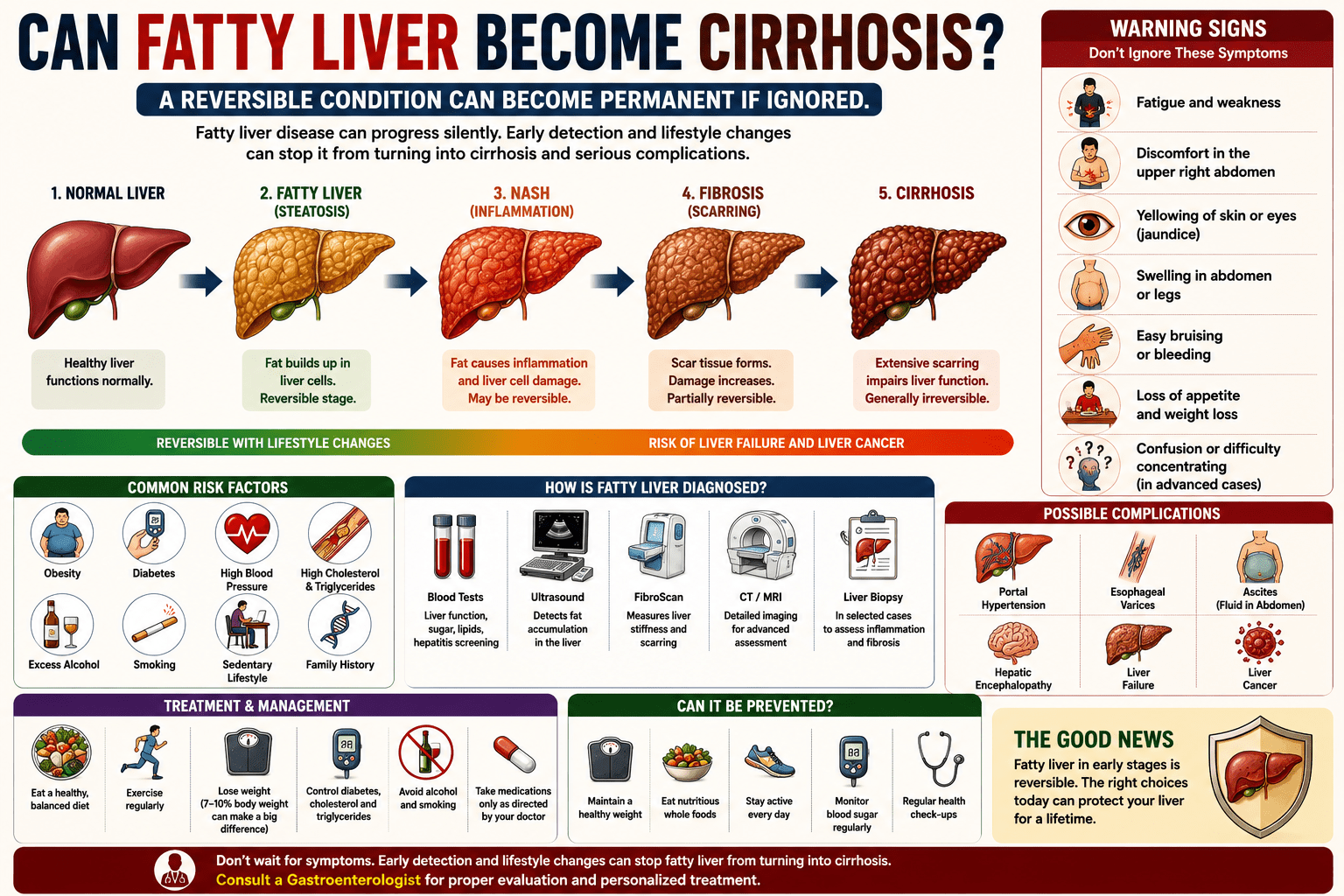
Fatty liver disease often develops without symptoms, but if ignored, it can progress to liver inflammation, fibrosis, and cirrhosis. Discover the stages of fatty liver disease, common risk factors, early warning signs, diagnostic tests, and effective strategies to protect your liver and prevent permanent damage
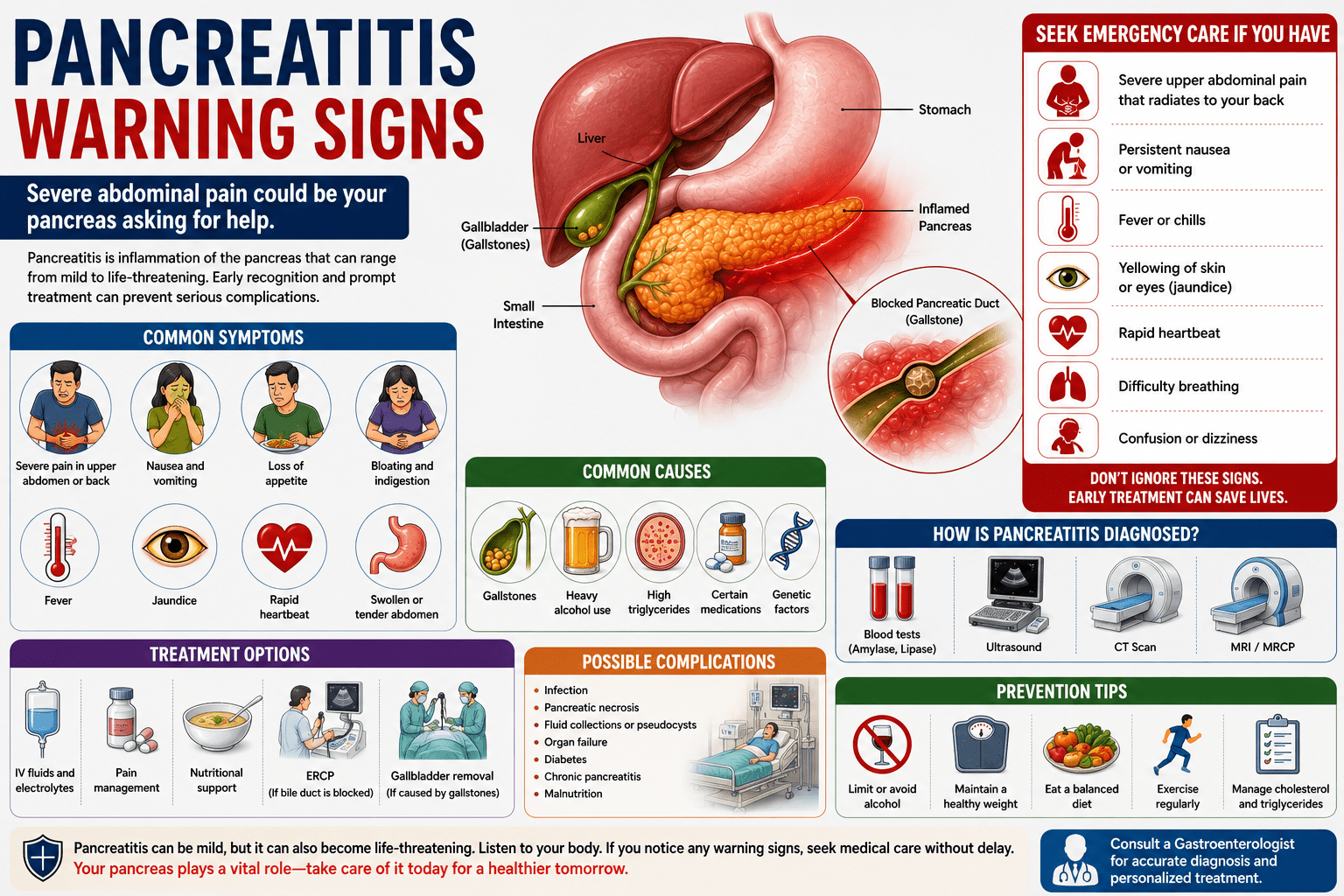
Pancreatitis is an inflammation of the pancreas that can range from mild to life-threatening. Severe upper abdominal pain, nausea, vomiting, fever, and jaundice are important warning signs that should never be ignored. Learn about the causes, symptoms, diagnosis, treatment, and prevention of pancreatitis to protect your digestive health.
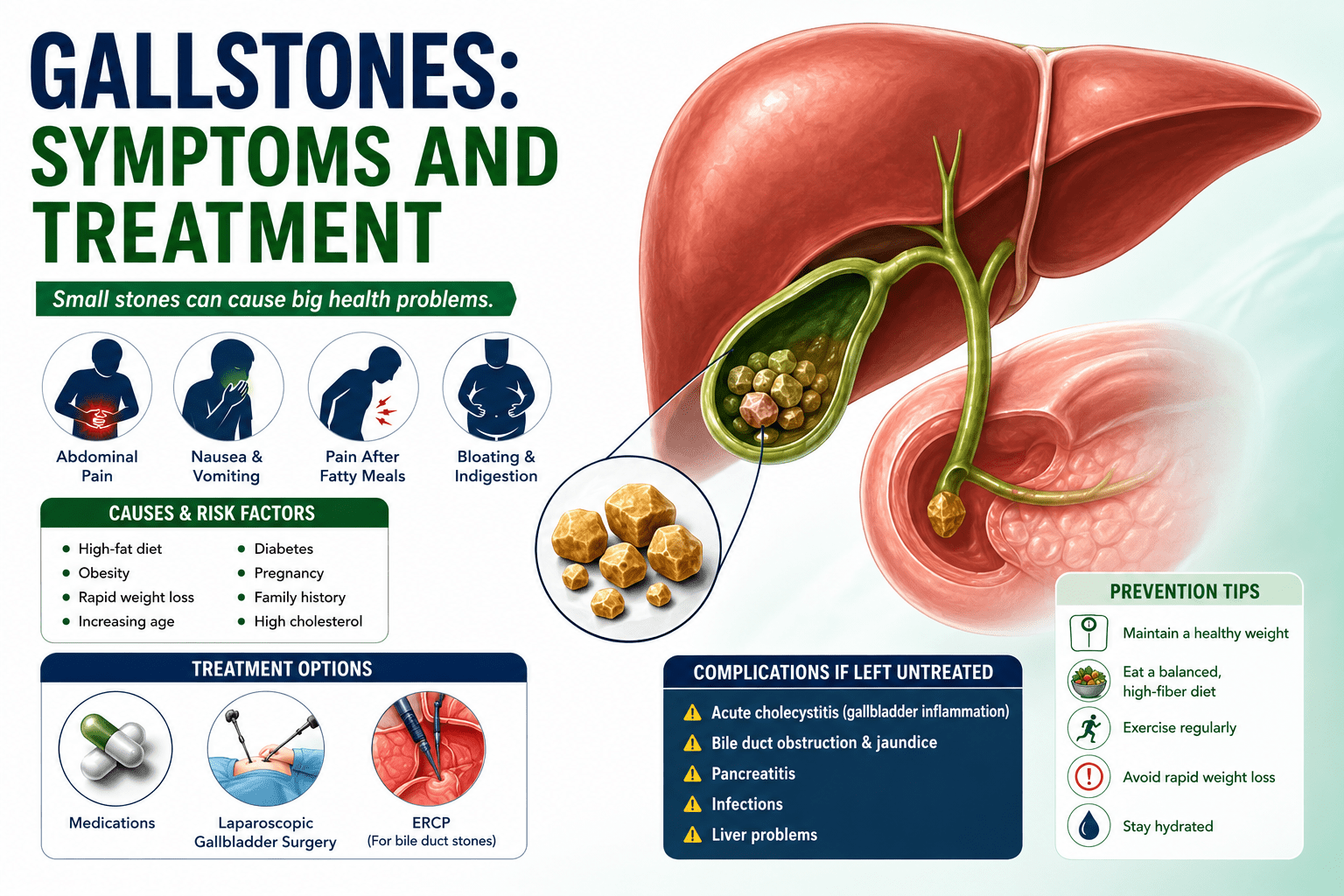
Gallstones are hardened deposits that form in the gallbladder and may remain silent or cause severe abdominal pain, nausea, jaundice, and digestive problems. Learn about the warning signs, diagnostic tests, treatment options, and lifestyle changes that can help prevent complications and protect your digestive health.
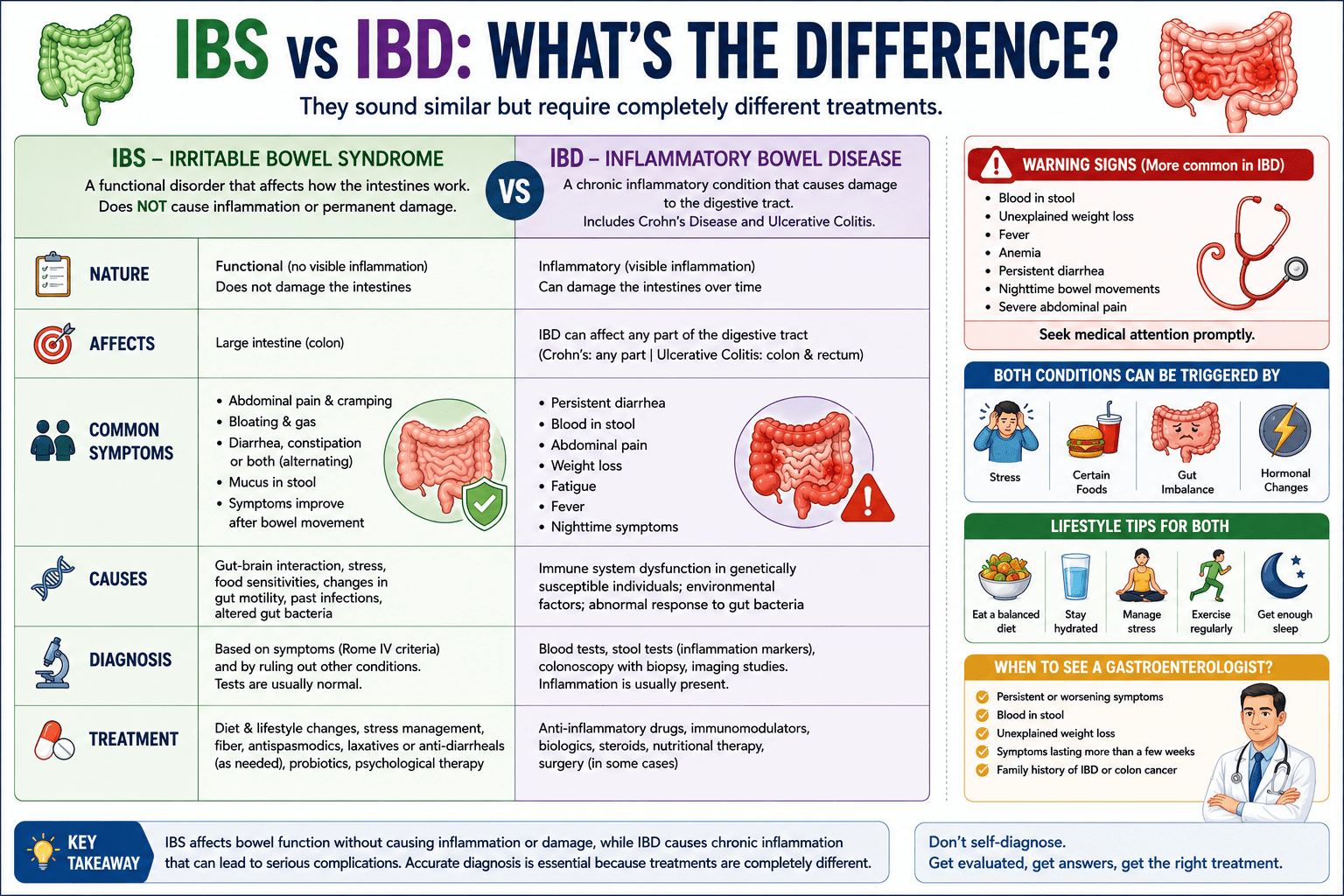
Although IBS and IBD share some digestive symptoms, they are two very different conditions. IBS is a functional bowel disorder that does not cause permanent intestinal damage, while IBD is a chronic inflammatory disease that can lead to serious complications if left untreated. Learn how to recognize the differences, understand the available treatments, and know when to seek expert medical care.
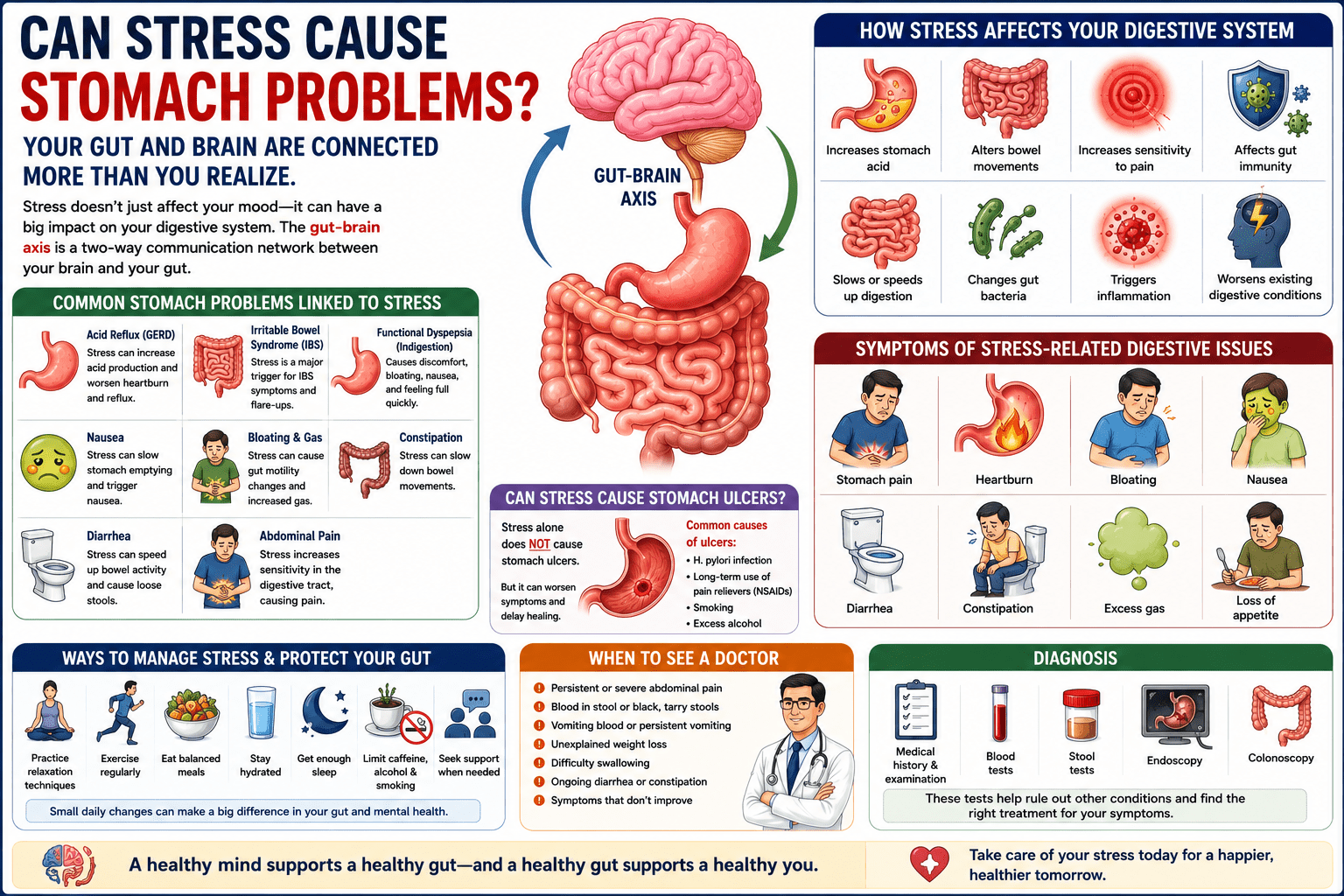
Stress can have a significant impact on your digestive system, causing symptoms such as acidity, bloating, stomach pain, constipation, diarrhea, and nausea. Explore the science behind the gut-brain connection, learn how stress influences digestion, and discover practical ways to improve both your mental well-being and gut health.
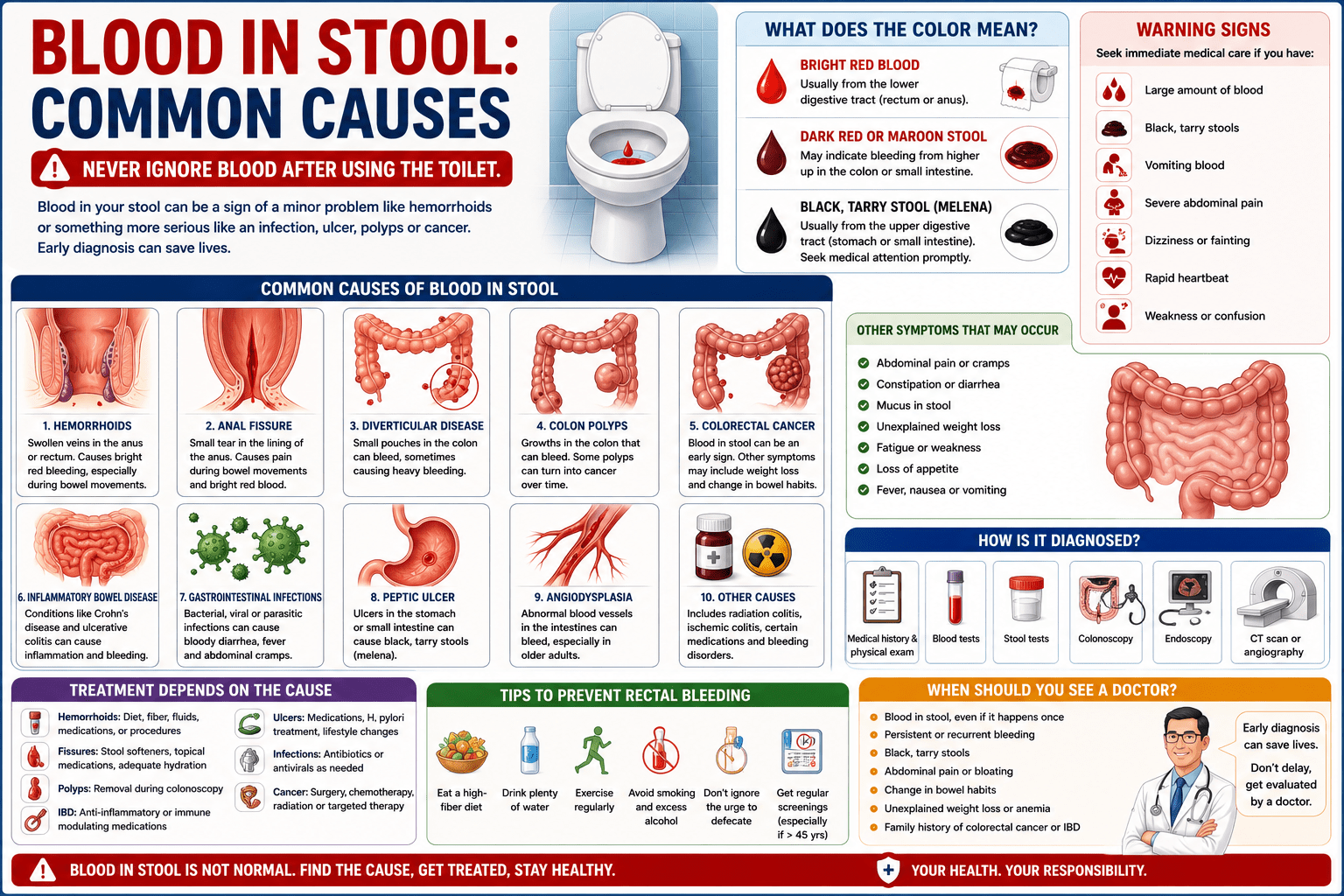
Blood in your stool should never be ignored. While it may result from common conditions like hemorrhoids or anal fissures, it can also indicate serious digestive disorders such as colon polyps, inflammatory bowel disease, bleeding ulcers, or colorectal cancer. Learn the possible causes, warning signs, diagnostic tests, and when to seek medical attention.
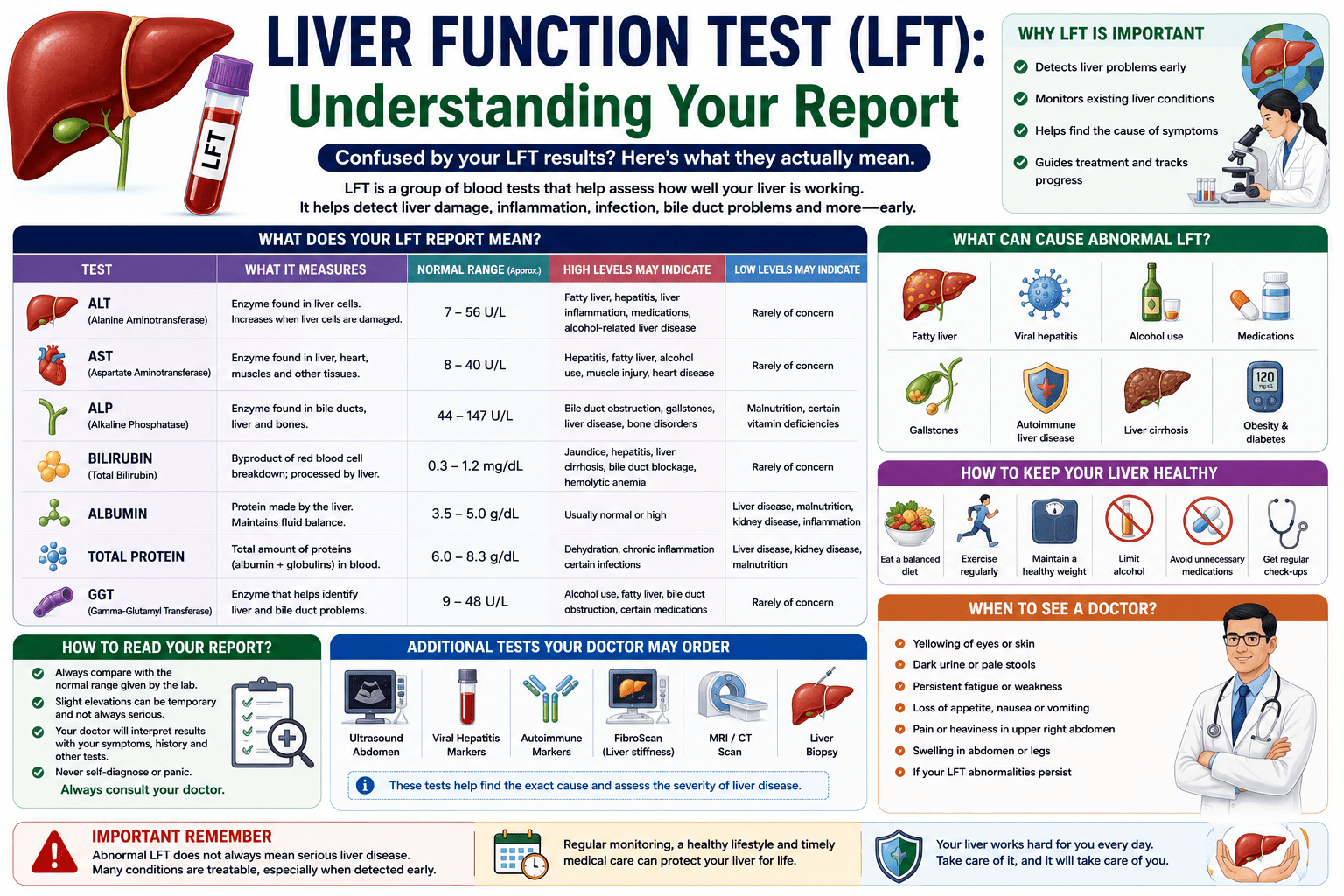
A Liver Function Test (LFT) provides valuable insights into your liver’s health, but interpreting the results can be confusing. Learn what each liver marker means, discover the causes of abnormal liver enzyme levels, and find out when further evaluation or treatment may be needed to protect your liver and overall health.
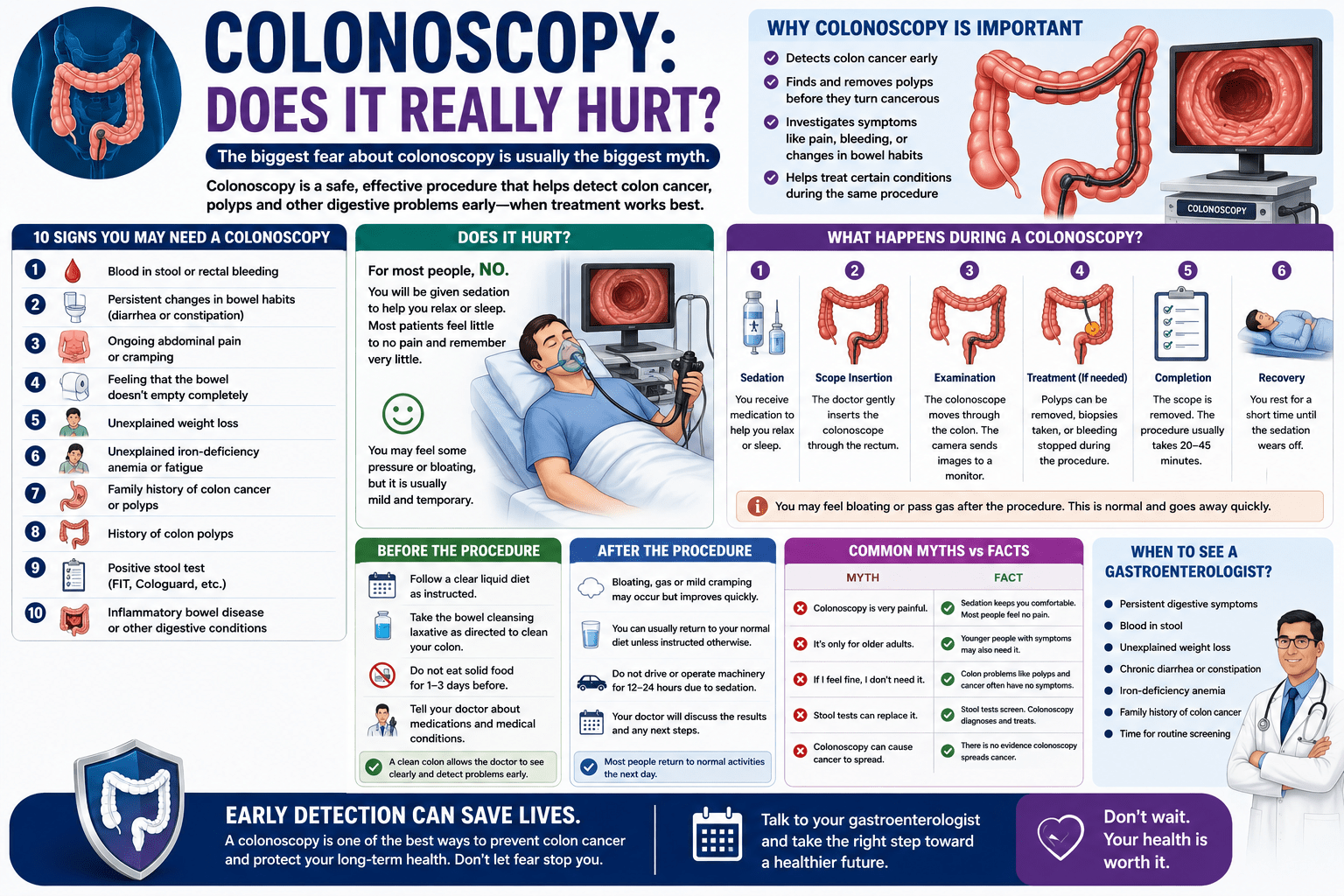
Many people delay a colonoscopy because they fear it will be painful. The truth is that modern colonoscopy is usually performed under sedation, making it a comfortable procedure for most patients. Discover what to expect, why colonoscopy is important, and how it helps detect colorectal cancer, polyps, and other digestive diseases at an early stage.
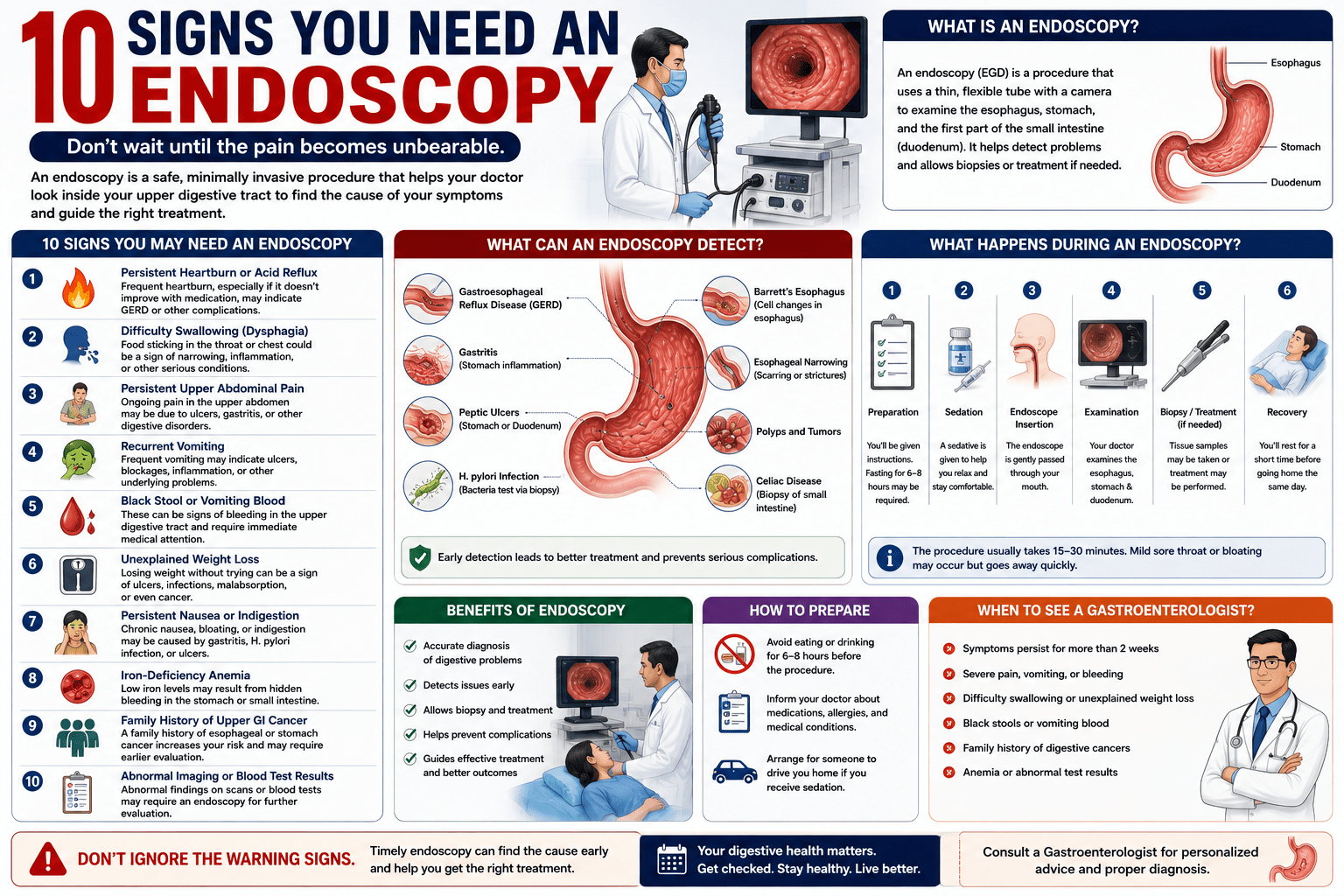
Persistent digestive symptoms shouldn’t be ignored. Discover the 10 warning signs that may indicate you need an upper GI endoscopy, learn what happens during the procedure, and understand how early diagnosis can help detect conditions like GERD, ulcers, gastritis, and even early-stage cancers.
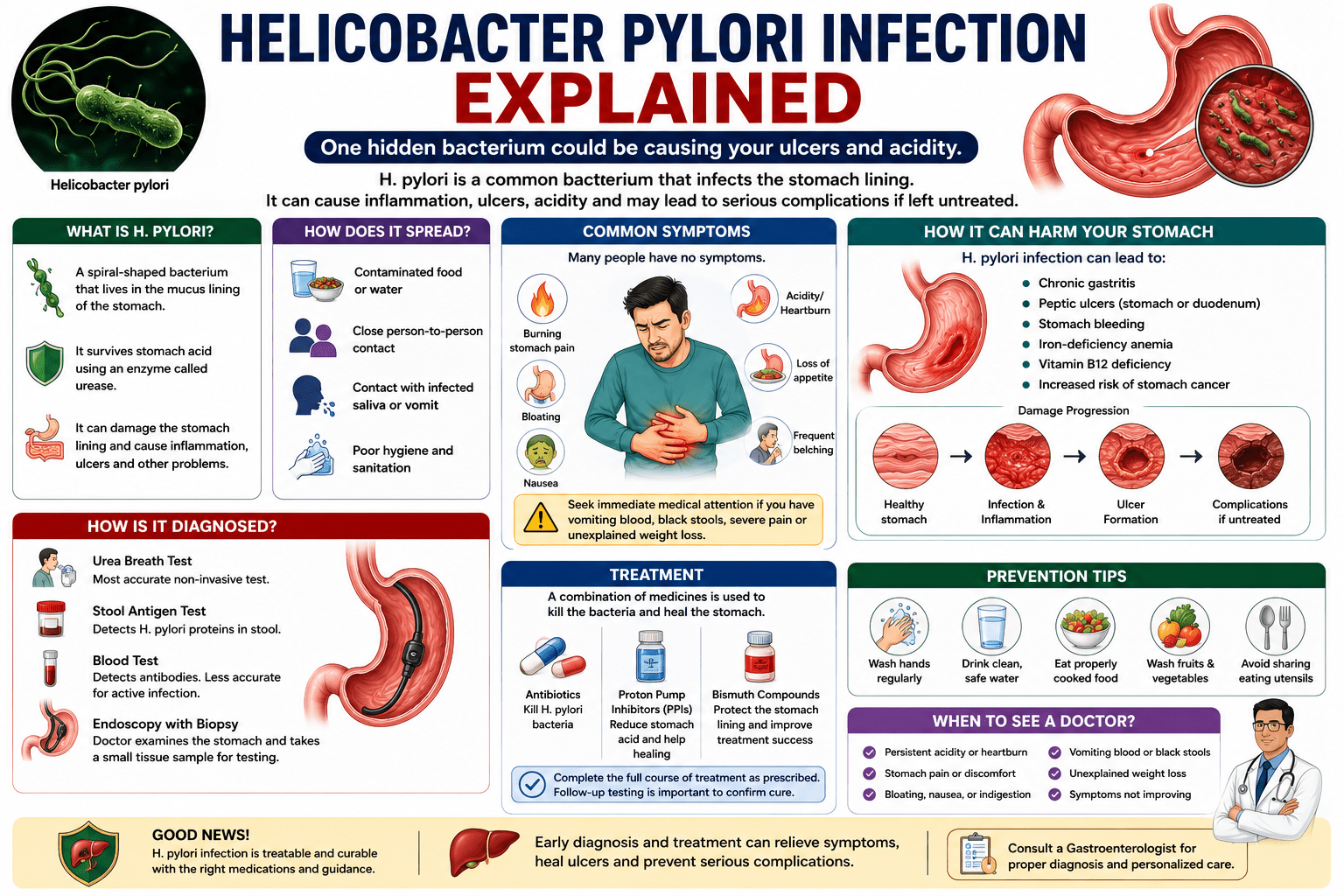
Helicobacter pylori (H. pylori) is a common stomach bacterium that can cause chronic acidity, gastritis, and peptic ulcers. Learn how the infection spreads, recognize the symptoms, understand the available diagnostic tests, and explore effective treatment options to protect your digestive health.
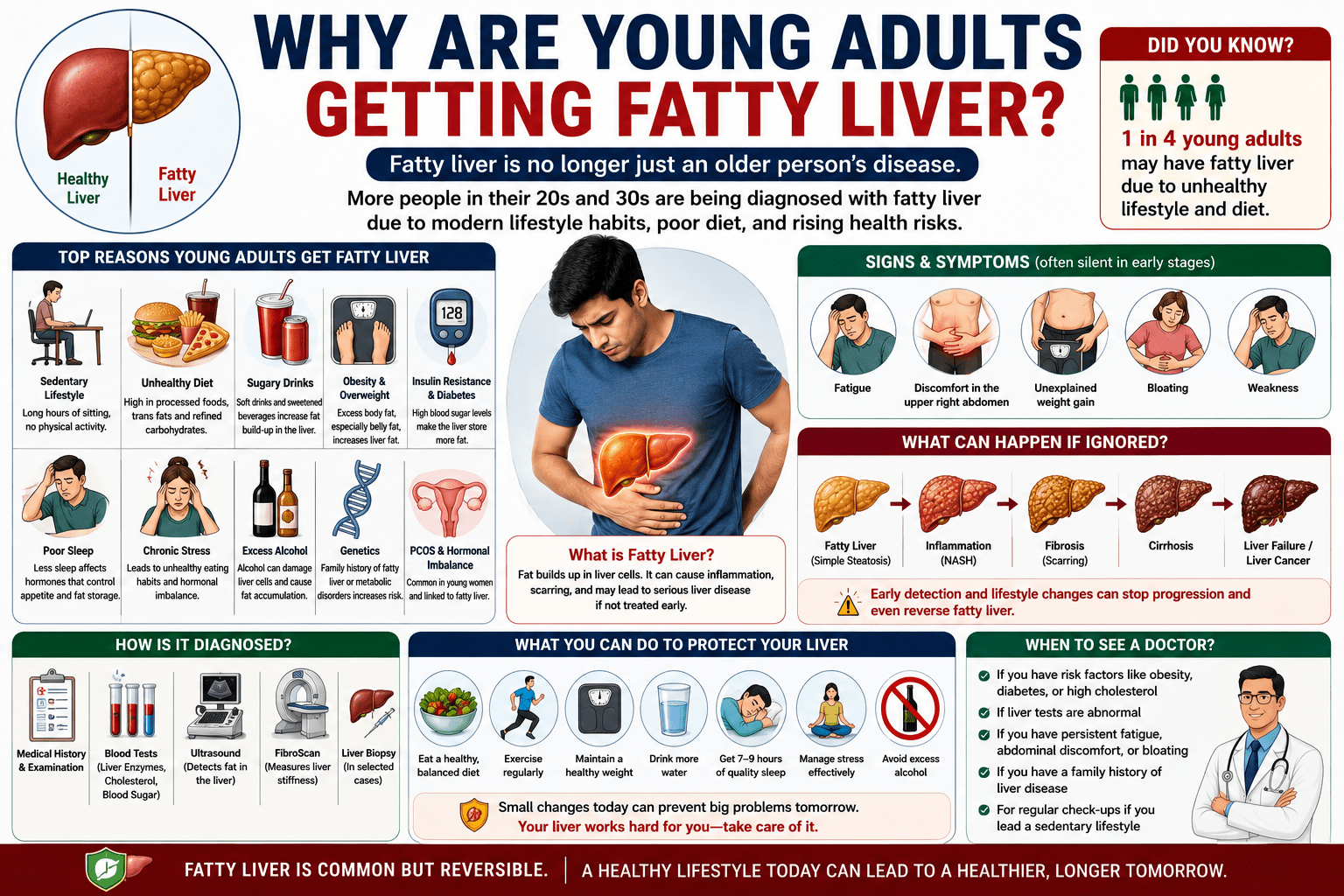
Fatty liver disease is no longer limited to older adults. Unhealthy diets, sedentary lifestyles, obesity, and metabolic disorders are driving a rise in cases among young adults. Learn the early warning signs, understand your risk, and discover how healthy eating, regular exercise, and timely medical care can help prevent and even reverse fatty liver disease.
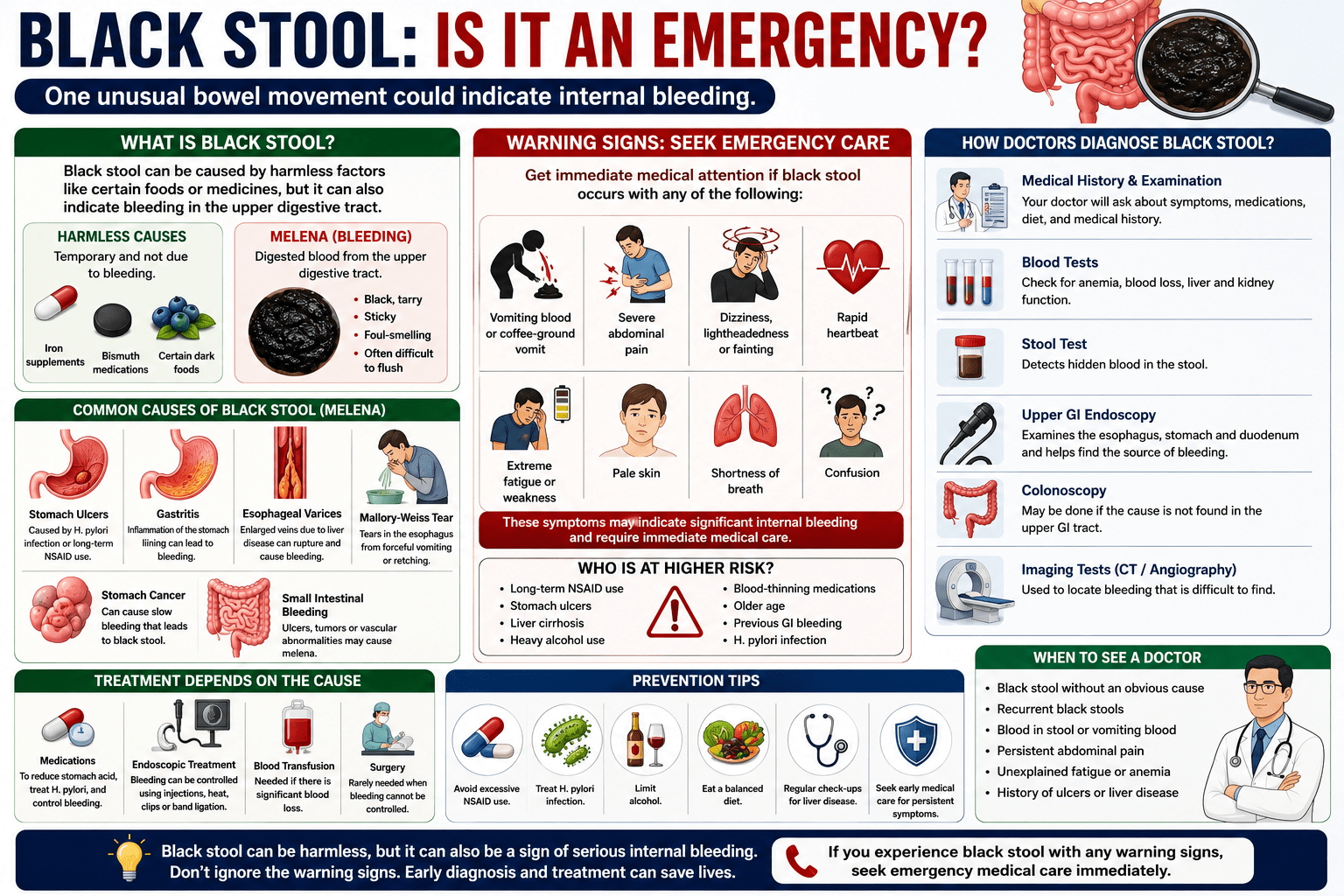
Black stool can result from harmless causes like iron supplements, but it may also be a sign of serious internal bleeding. Learn the warning signs, possible causes, diagnostic tests, treatment options, and when immediate medical attention is essential.
A healthy diet is one of the most effective ways to support fatty liver recovery. Learn which foods can help reduce liver fat, improve liver function, and promote healing, along with the foods to limit for better long-term liver health.
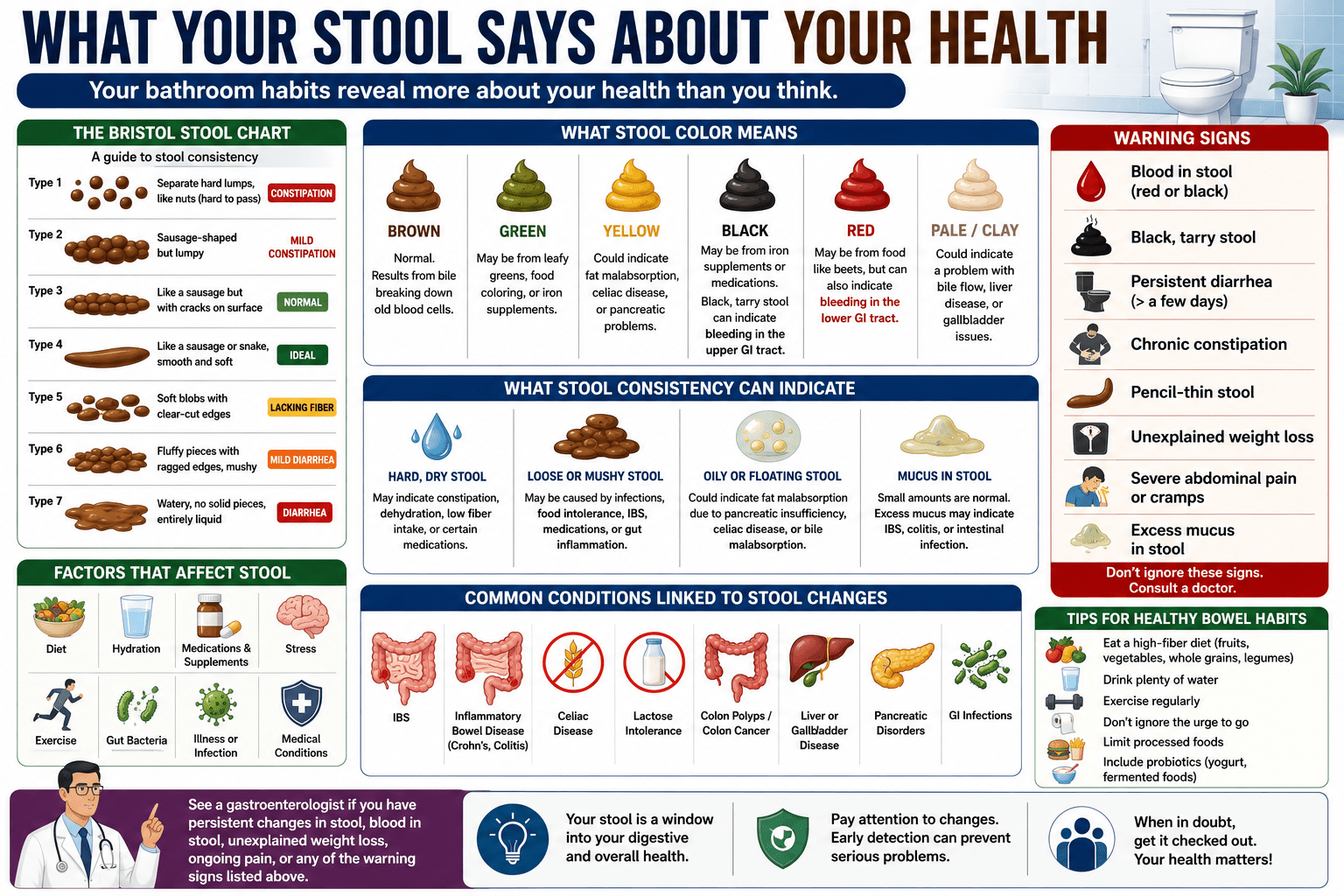
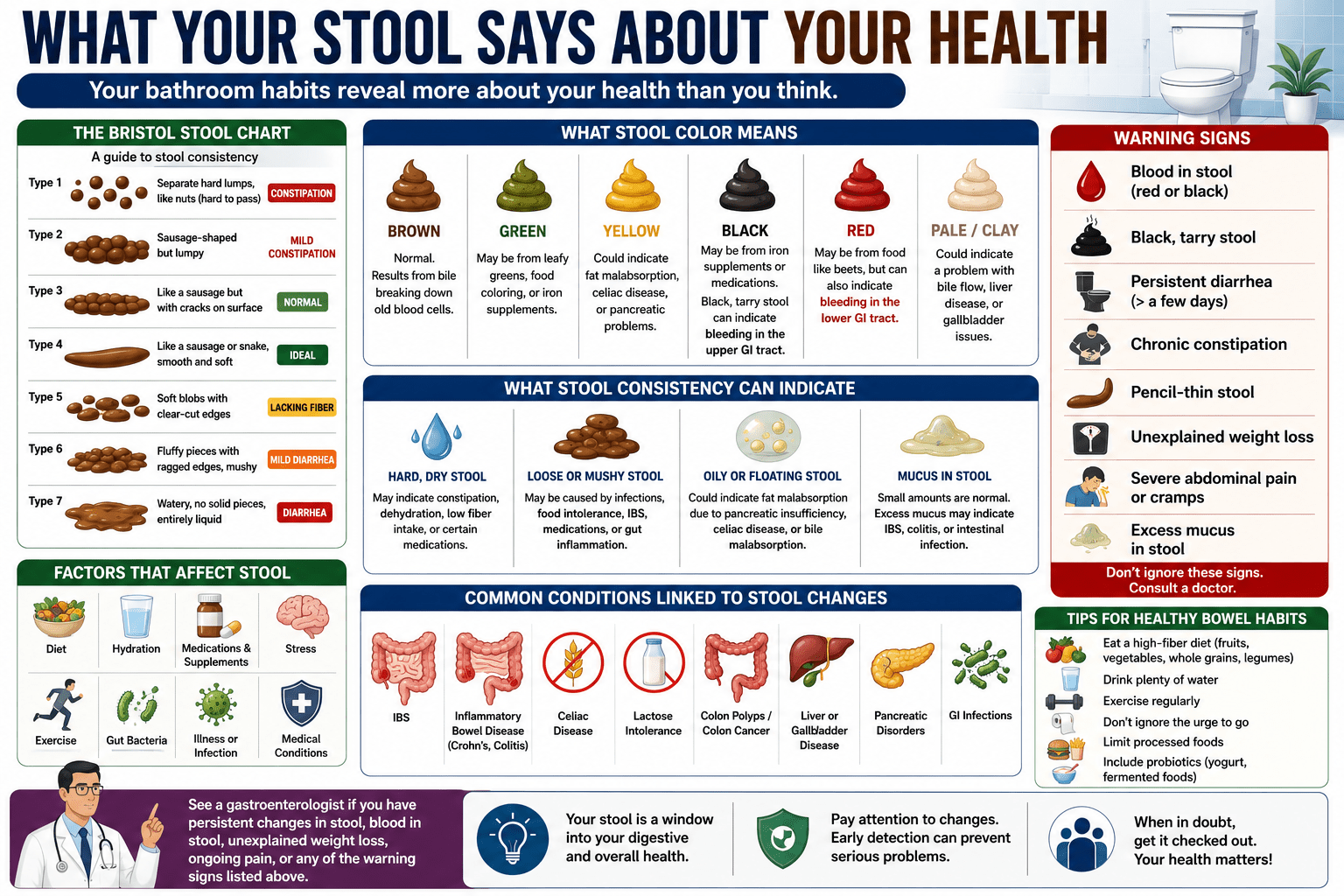
Your stool is an important indicator of your digestive health. Learn what different stool colors, shapes, and consistencies mean, recognize warning signs like blood in the stool or persistent bowel changes, and know when it’s time to seek expert medical advice.
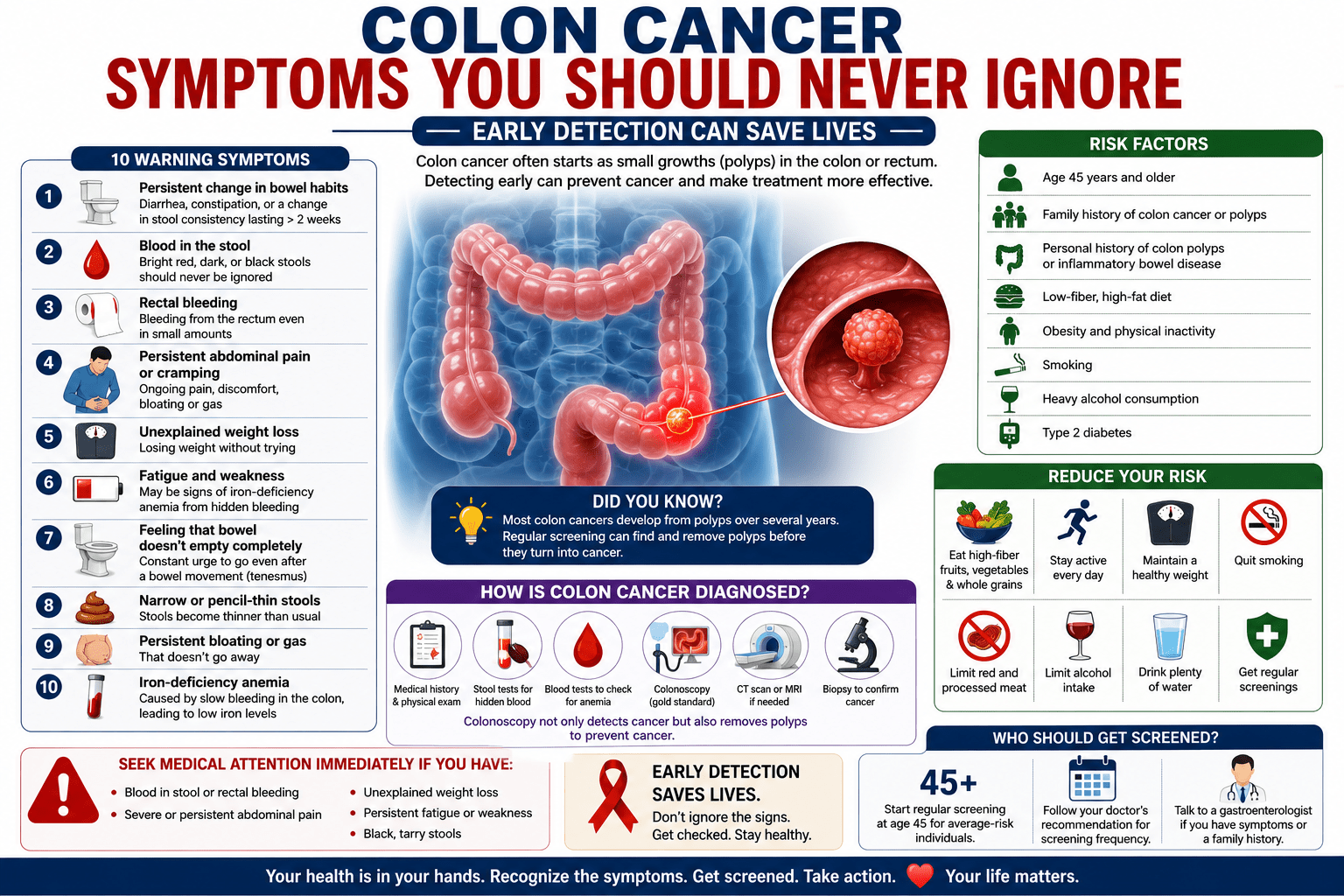
Colon cancer often develops silently, but early warning signs like blood in the stool, persistent bowel changes, abdominal pain, unexplained weight loss, and fatigue should never be ignored. Learn when to seek medical evaluation and why regular screening is one of the most effective ways to prevent colorectal cancer.
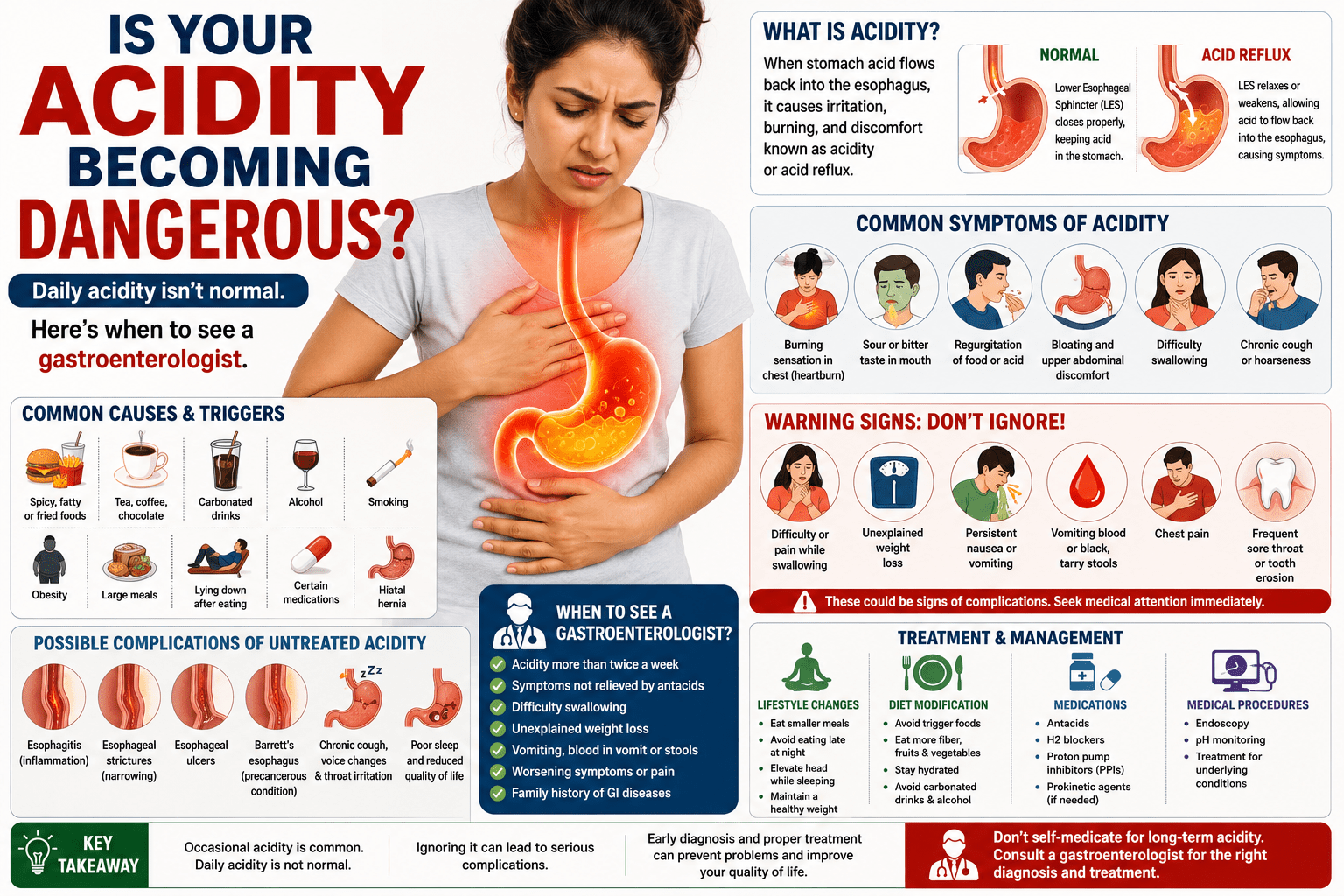
Occasional heartburn is common, but daily acidity is not. Discover the causes of persistent acid reflux, recognize the warning signs, understand potential complications, and learn when to seek expert care from a gastroenterologist.
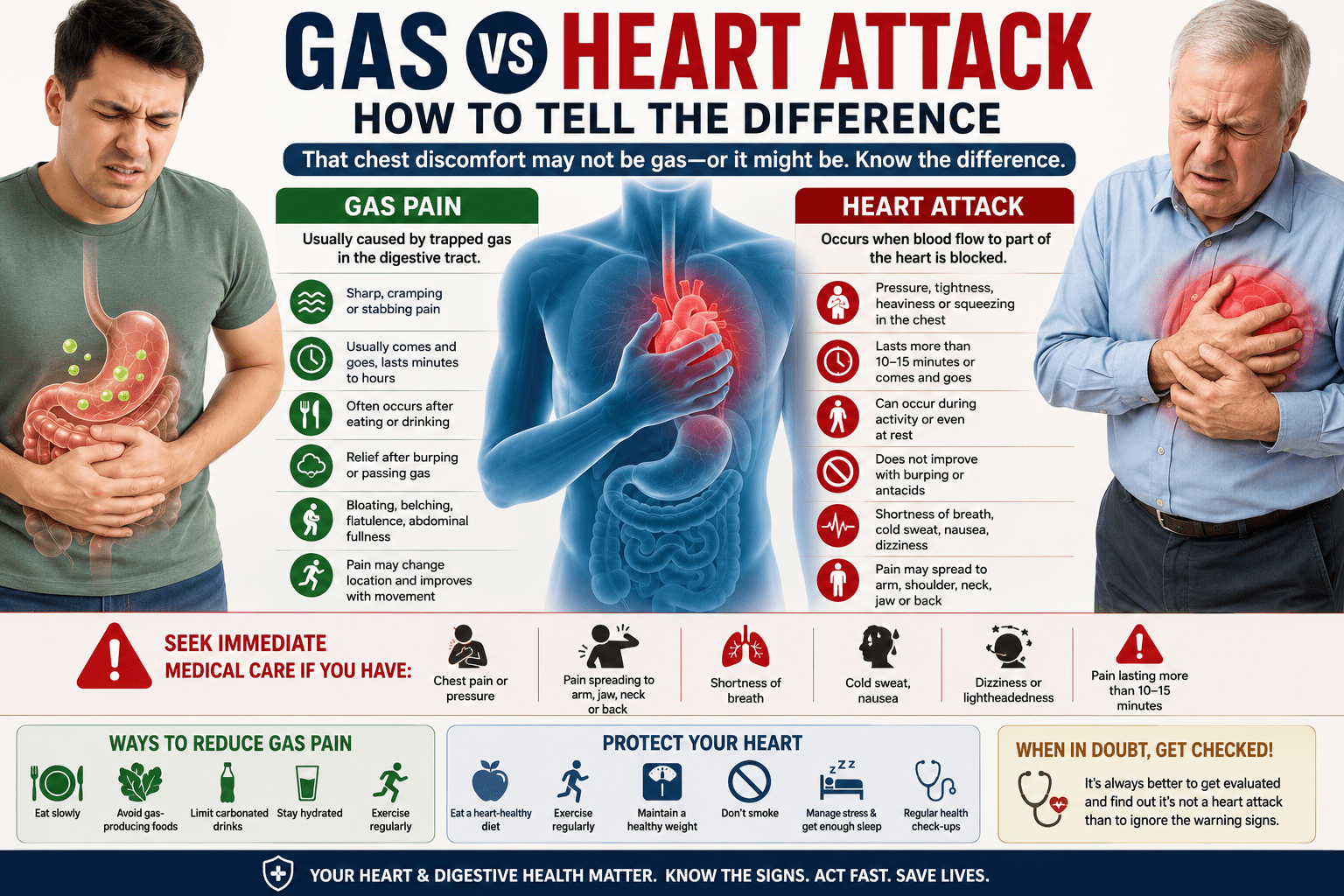
Chest pain can be caused by trapped gas or a life-threatening heart attack. Learn how to recognize the differences, identify emergency warning signs, and understand when immediate medical attention is essential.
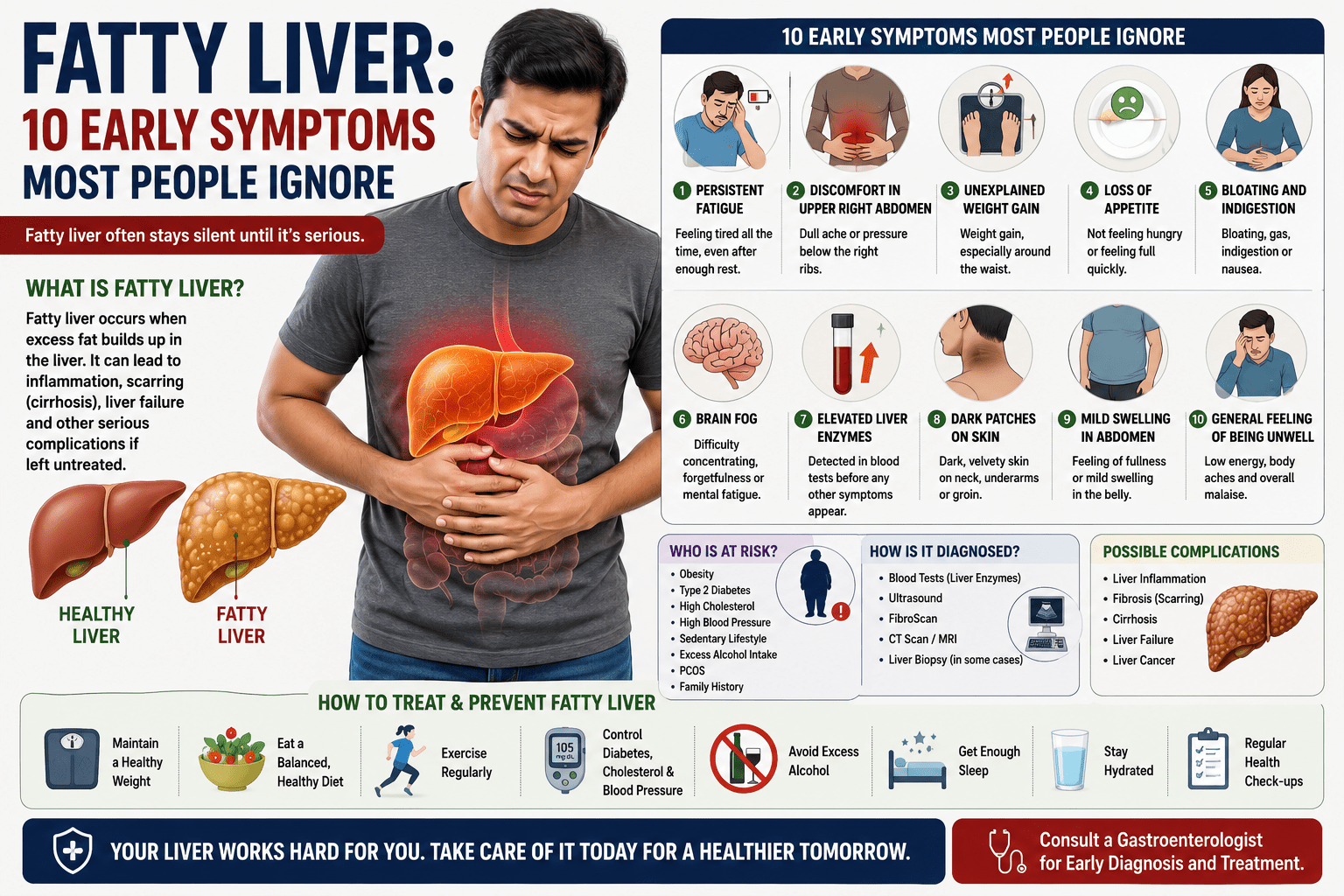
Fatty liver disease often has no obvious symptoms until it becomes more advanced. Discover the 10 early warning signs, understand your risk factors, and learn how timely diagnosis and healthy lifestyle changes can protect your liver and overall health.
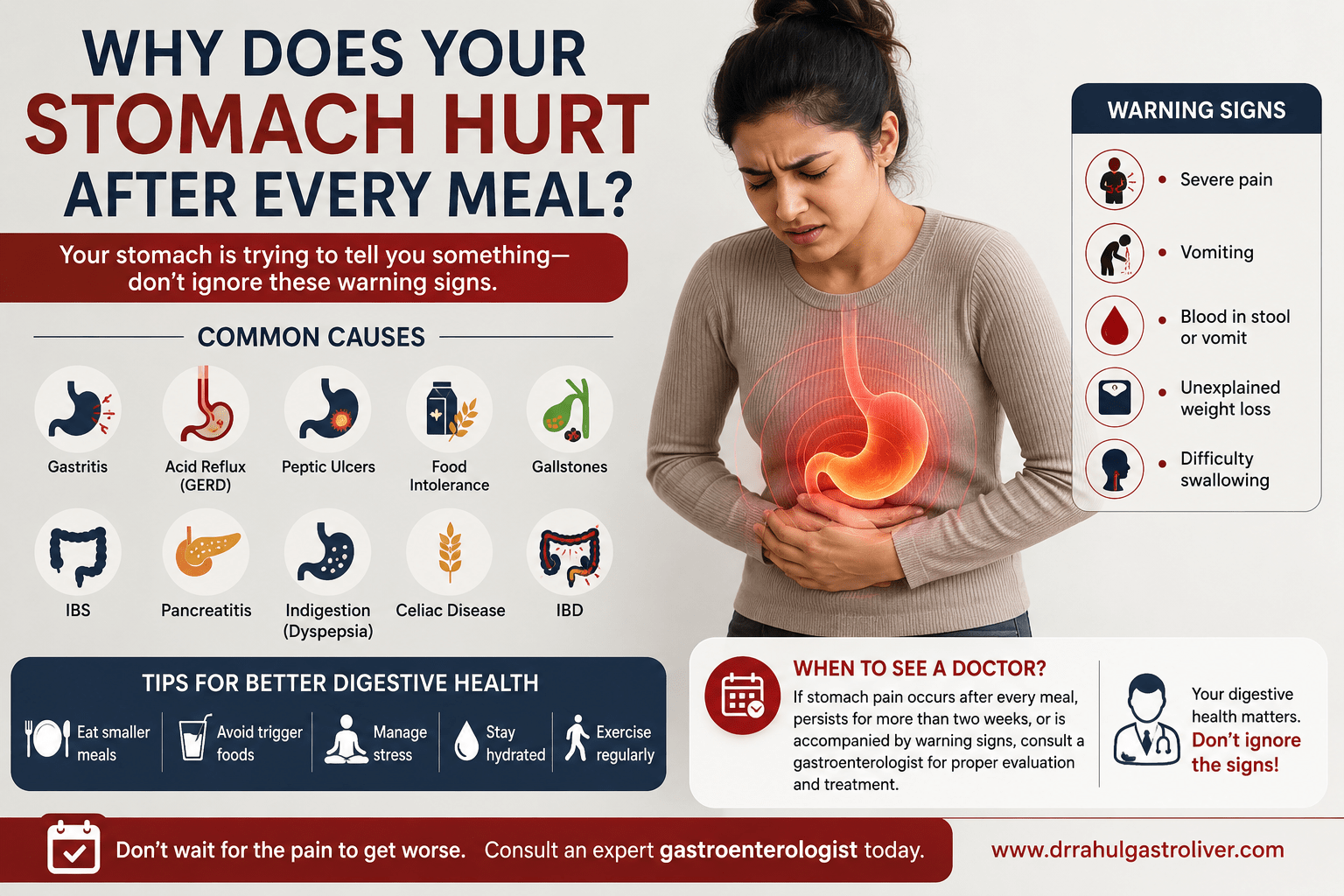
Recurring stomach pain after meals isn’t normal. Learn what causes abdominal pain after eating, the symptoms to watch for, and how early diagnosis and treatment can help protect your digestive health.
Visit Dr. Rahul Dubbaka the best gastroenterologist in Hyderabad, for expert digestive and liver care. Personalized treatments and advanced healthcare
Looking for the top gastroenterologist in Hyderabad? Get expert diagnosis and treatment for acidity, stomach pain, IBS, and liver problems near HMT Hills, Nizampet, and Pragathi Nagar. Trusted digestive care with advanced medical support.

Looking for an expert gastro doctor in Nizampet? Get specialized care for acidity, stomach pain, IBS, and liver issues from a trusted gastroenterologist near Hyderabad, offering advanced diagnosis and effective treatment.
Looking for the best gastroenterologist in Nizampet? Dr Rahul Dubbaka offers expert diagnosis and treatment for acidity, stomach pain, liver diseases, IBS, and other digestive disorders with advanced gastroenterology care.
Dr Rahul Dubbaka is a top gastroenterologist in Hyderabad specializing in liver, pancreatic, and digestive disorders. He offers advanced endoscopy procedures, accurate diagnosis, and personalized treatment to ensure effective and long-term digestive health care.
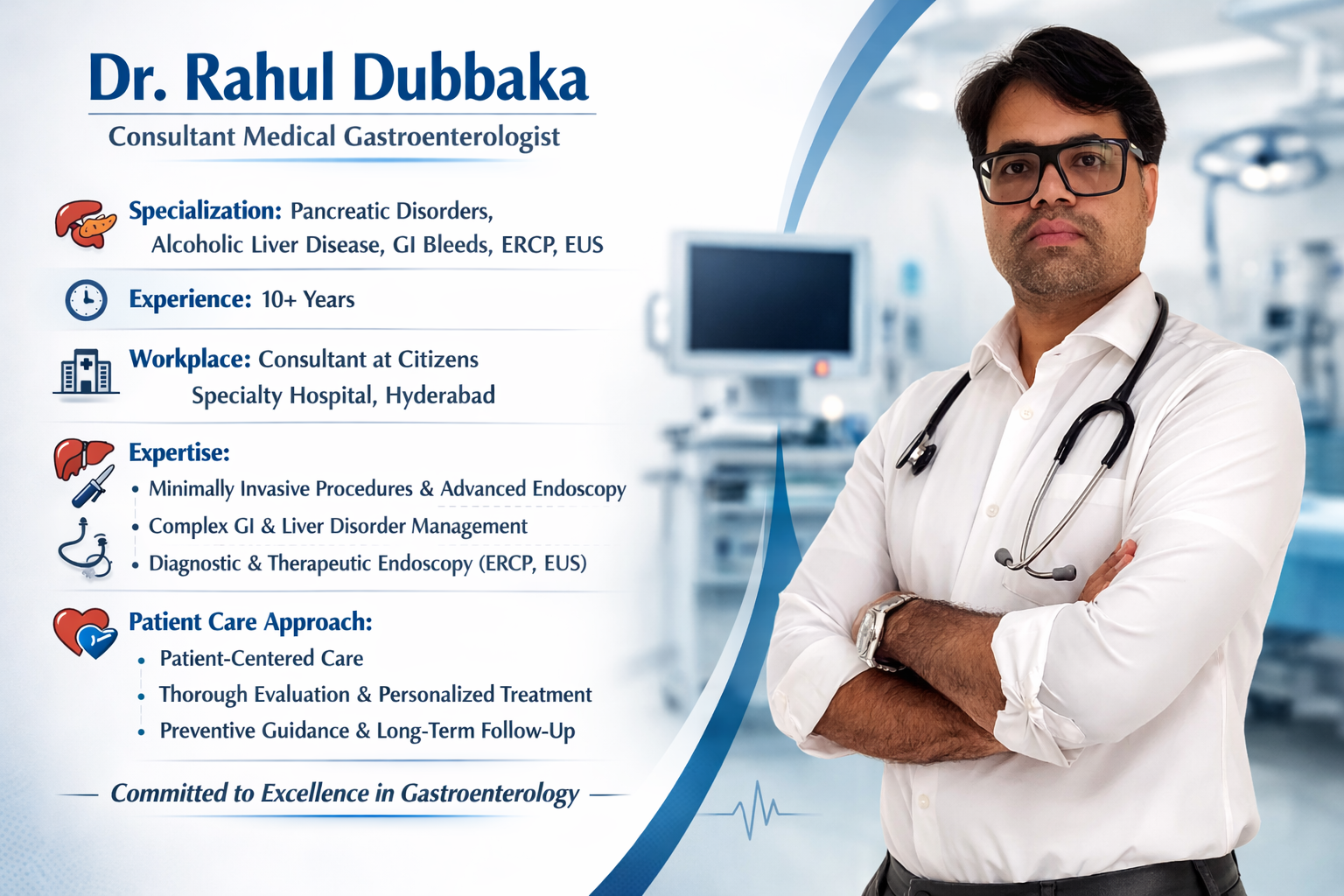
Looking for the best gastroenterologist in Telangana? This guide lists the top 10 GI specialists in Hyderabad (2026), including Dr Rahul Dubbaka, known for advanced endoscopy and expert digestive care. Learn about leading doctors treating liver disease, GERD, pancreatic disorders, and more.